
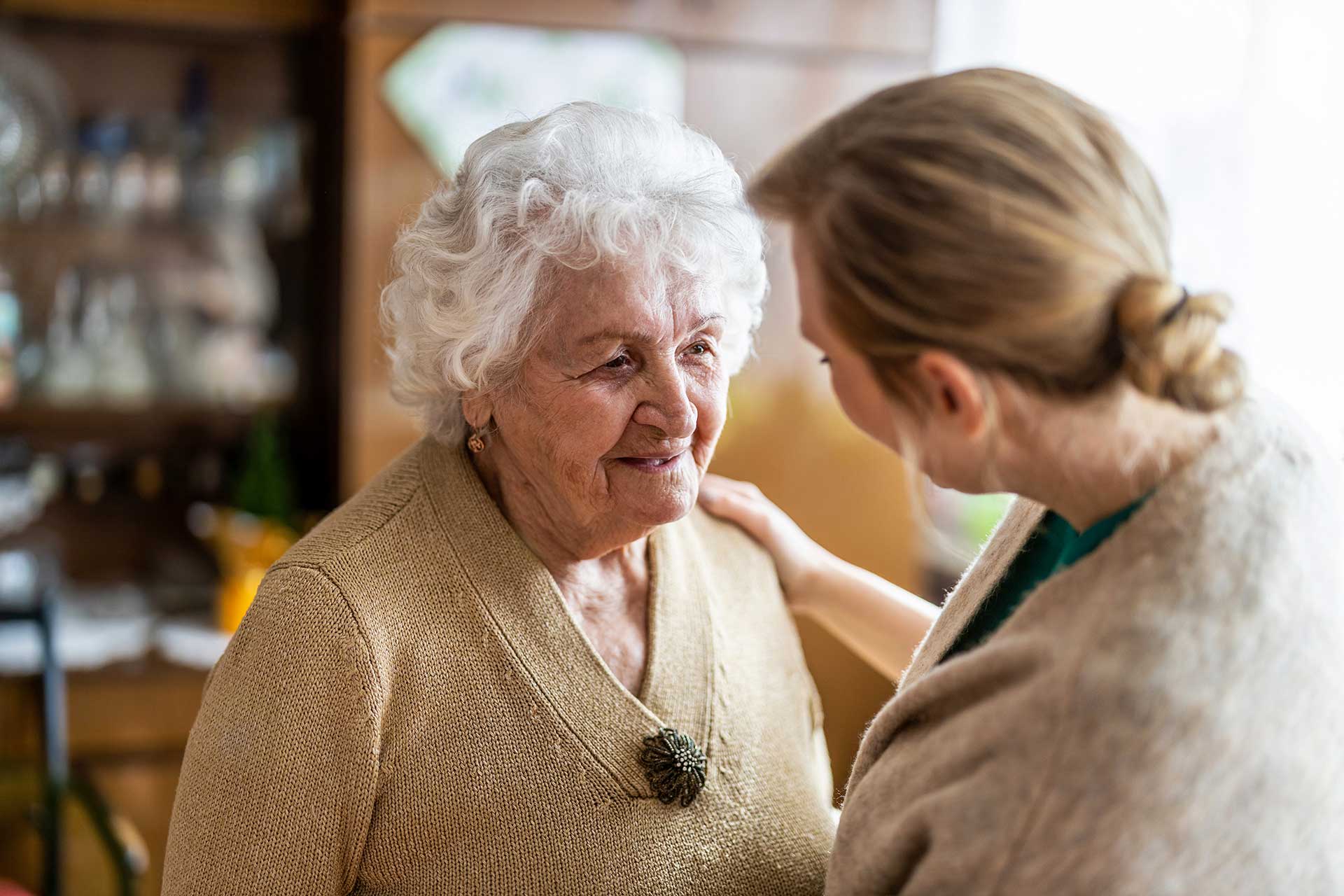

As individuals age, their needs and preferences for housing and care may change. Living facilities for elders offer a range of options that cater to the unique requirements of older adults. These facilities provide a supportive environment where seniors can maintain their independence, engage in social activities, and receive the necessary assistance when needed. If you or a loved one are considering a living facility for elders, here are some key aspects to expect:
Independent Living
Independent living facilities, such as Vivante living facilities, provide a vibrant and engaging environment where active seniors can enjoy a sense of community, pursue their interests, and embrace a fulfilling lifestyle. Residents typically live in private apartments or villas, complete with kitchenettes or full kitchens. These communities offer amenities such as dining areas, recreational spaces, fitness centers, and organized social activities. Independent living allows older adults to enjoy their freedom while benefiting from a supportive community and access to various services.
Assisted Living
Assisted living facilities are suitable for individuals who require assistance with daily activities but still desire an independent lifestyle. Trained staff members are available 24/7 to provide support with tasks such as bathing, dressing, medication management, and housekeeping. Assisted living communities often offer communal dining areas, scheduled transportation, and a range of social and recreational activities. These facilities aim to promote independence while ensuring that residents receive the necessary care and support.
Memory Care
Memory care facilities specialize in caring for individuals with dementia, Alzheimer’s disease, or other forms of memory impairment. These communities have a secure environment designed to minimize risks and cater to the unique needs of residents with memory loss. Staff members receive specialized training to provide personalized care, engage residents in memory-stimulating activities, and ensure their safety and well-being. Memory care facilities often have structured routines, cognitive programs, and sensory-based therapies to support residents’ cognitive functioning.
Skilled Nursing Facilities
Skilled nursing facilities, also known as nursing homes or long-term care facilities, provide round-the-clock nursing care for individuals with complex medical needs or chronic conditions. These facilities have licensed healthcare professionals who offer medical supervision, administer medications, provide rehabilitative services, and manage specialized care plans. Skilled nursing facilities are equipped to handle various health conditions and provide assistance with activities of daily living.
Social and Recreational Activities
Living facilities for elders often organize a wide range of social and recreational activities to promote engagement and well-being. These activities may include exercise classes, arts and crafts, group outings, educational programs, and entertainment events. The goal is to foster social connections, intellectual stimulation, and overall enjoyment for residents.
Dining Services and Nutrition
Most living facilities for elders provide dining services that offer nutritious meals and accommodate dietary restrictions. Meals are typically served in communal dining areas, providing opportunities for social interaction and a sense of community. Special attention is given to creating balanced menus and accommodating individual dietary needs.
Supportive Services
Living facilities for elders often offer additional support services to cater to residents’ needs. These may include assistance with transportation, coordination of medical appointments, medication management, housekeeping, and laundry services. Some communities may also provide on-site wellness programs, beauty and salon services, and spiritual or religious support.
When exploring living facilities for elders, it’s essential to visit multiple communities, speak with staff members, and observe the environment. Consider factors such as location, amenities, staff-to-resident ratio, safety measures, and the overall atmosphere. Engaging in conversations with current residents and their families can provide valuable insights into the community’s culture and quality of care.