
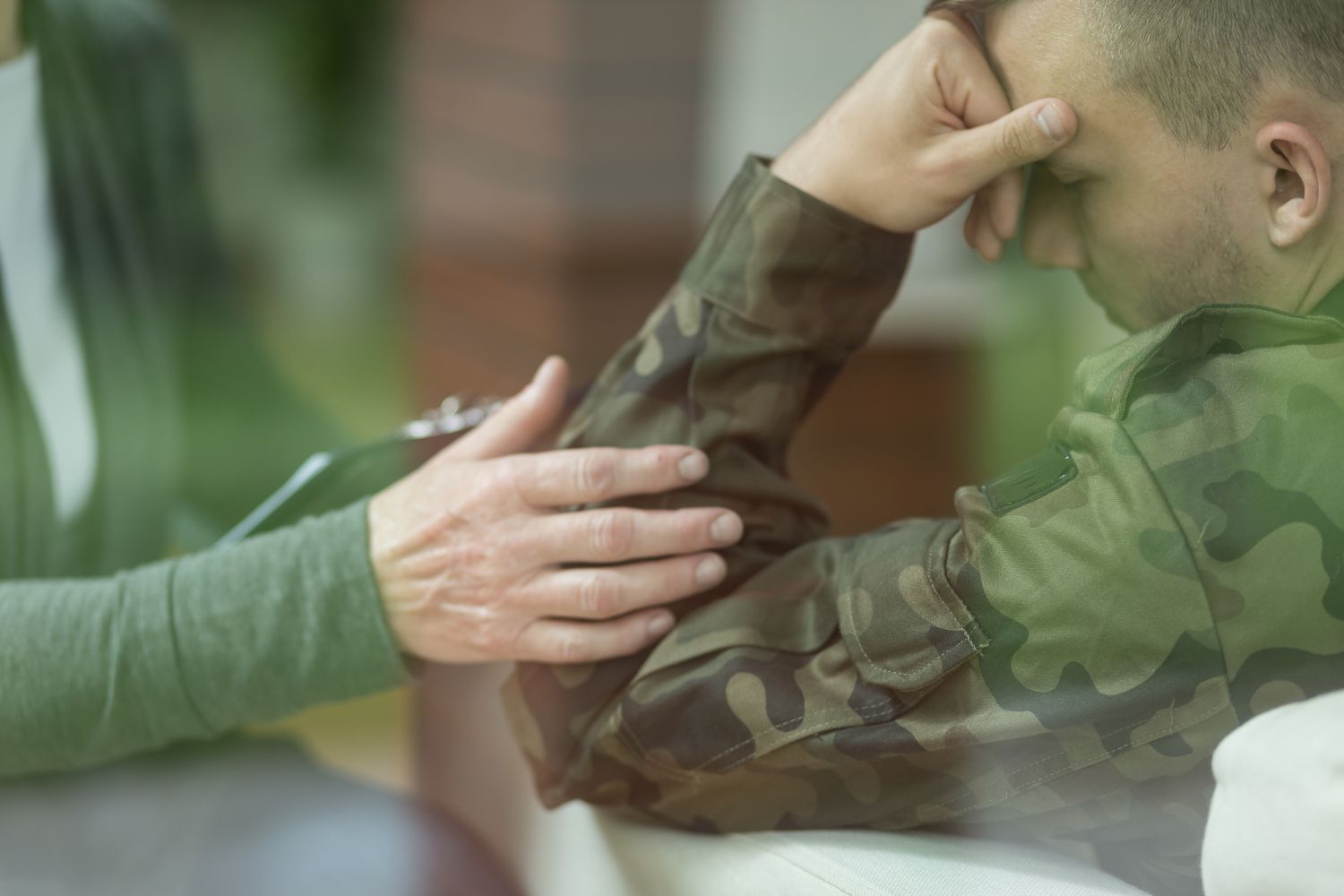
Post-Traumatic Stress Disorder (PTSD) is a mental health condition that has gained significant attention over the past few decades, particularly in relation to military veterans. Veterans are often exposed to intense and traumatic experiences that can lead to the development of PTSD. Understanding PTSD in veterans requires an exploration of the causes, symptoms, treatments, and the broader impact on their lives and families.
What is PTSD?
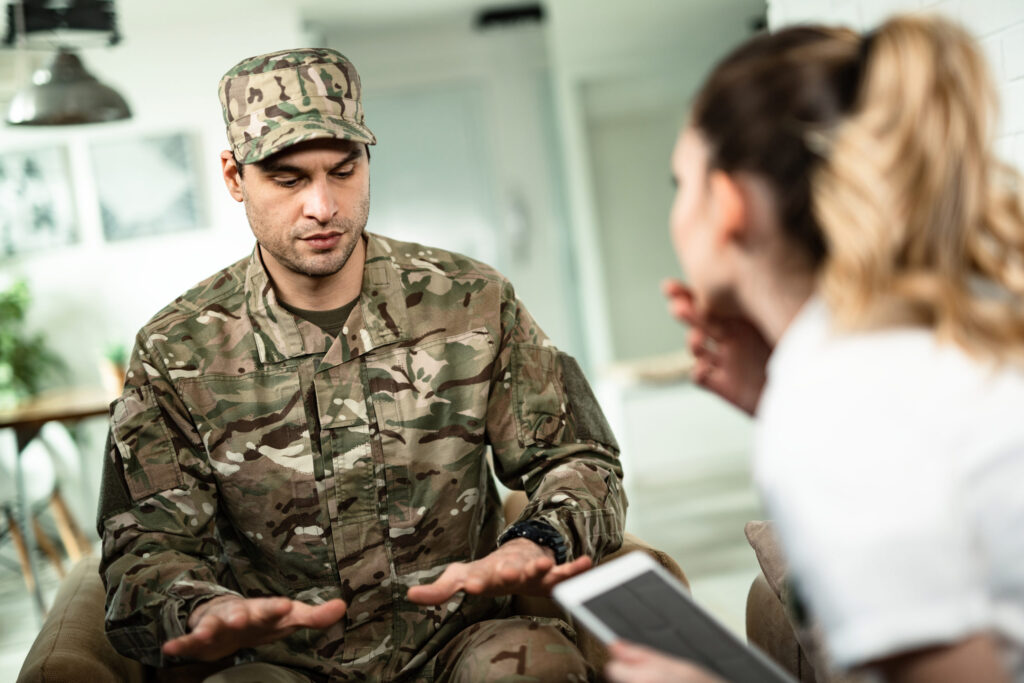
PTSD is a psychiatric disorder that can occur in individuals who have experienced or witnessed a traumatic event. This event could involve death, serious injury, or sexual violence. The symptoms of PTSD can be debilitating, affecting an individual’s ability to function in daily life. These symptoms include re-experiencing the traumatic event through flashbacks or nightmares, avoidance of situations that remind the person of the event, negative changes in thoughts and mood, and hyperarousal symptoms such as being easily startled or feeling on edge.
Causes of PTSD in Veterans
For military veterans, the causes of PTSD are often rooted in the experiences they encounter during their service. Combat exposure is a significant factor. Veterans may witness death and injury, experience constant threats to their own lives, and endure extreme stress. Other traumatic experiences can include accidents, sexual assaults, or non-combat-related violent incidents. The intensity and frequency of these events can overwhelm the individual’s ability to cope, leading to PTSD.
Recognizing the Symptoms
Recognizing PTSD in veterans can be challenging, as symptoms may not appear immediately after the traumatic event. In some cases, they might not manifest until months or even years later. Common symptoms include:
- Intrusive Memories: Veterans may experience recurrent, distressing memories of the traumatic event, flashbacks, or nightmares.
- Avoidance: Efforts to avoid thinking about or discussing the traumatic event, and avoidance of places, activities, or people that remind them of the trauma.
- Negative Changes in Thinking and Mood: This can include feelings of hopelessness, emotional numbness, memory problems, and difficulties maintaining close relationships.
- Hyperarousal: Symptoms include being easily startled, feeling tense or on edge, difficulty sleeping, and irritability or anger.
The Impact of PTSD on Daily Life
The impact of PTSD on veterans’ daily lives can be profound. It affects their ability to work, maintain relationships, and enjoy life. Many veterans with PTSD struggle with maintaining employment due to difficulties concentrating, memory problems, and absenteeism. This is especially challenging for those working in high-stress jobs, such as those requiring truck insurance for commercial drivers. Relationships with family and friends can become strained as veterans may become withdrawn, irritable, or emotionally distant. Additionally, PTSD can lead to substance abuse as a coping mechanism, further complicating the veteran’s life and health.
The Stigma Surrounding PTSD
One of the significant challenges in addressing PTSD among veterans is the stigma associated with mental health issues. Many veterans feel ashamed or embarrassed to seek help, fearing they will be seen as weak or incapable. This stigma can prevent them from accessing the necessary treatment and support. It’s crucial to shift the narrative and promote a culture where seeking help is seen as a strength rather than a weakness. When traveling for treatment or therapy, some veterans might need convenient transportation. For instance, rent a car Beograd services can provide a hassle-free travel option, ensuring they reach their appointments on time and comfortably. This small step can significantly ease their journey towards recovery.
Treatment Options for PTSD
Fortunately, there are effective treatments available for PTSD. These treatments can significantly improve the quality of life for veterans. Some of the most common and effective treatments include:
- Cognitive Behavioral Therapy (CBT): This type of therapy helps individuals understand and change the thought patterns that contribute to their PTSD symptoms.
- Exposure Therapy: A type of CBT that involves reliving the traumatic experience in a controlled and safe environment to help reduce the power it holds over the individual.
- Eye Movement Desensitization and Reprocessing (EMDR): This therapy involves processing the trauma through guided eye movements, which can help reduce the emotional impact of the traumatic memories.
- Medication: Antidepressants and anti-anxiety medications can help manage the symptoms of PTSD, although they are typically used in conjunction with therapy rather than as a standalone treatment.
Support Systems and Resources
Support systems play a crucial role in the recovery of veterans with PTSD. Family, friends, and veteran support groups can provide the emotional support and understanding that is essential for healing. There are also numerous organizations dedicated to helping veterans with PTSD, offering resources ranging from therapy and counseling to financial assistance and peer support networks. Additionally, some recovery programs have incorporated the best misting system into their environments, creating a calming atmosphere that can help veterans relax and feel more at ease. Some notable organizations include the Department of Veterans Affairs (VA), the National Center for PTSD, and various non-profit groups like Wounded Warrior Project and PTSD Foundation of America.
The Role of Family and Friends
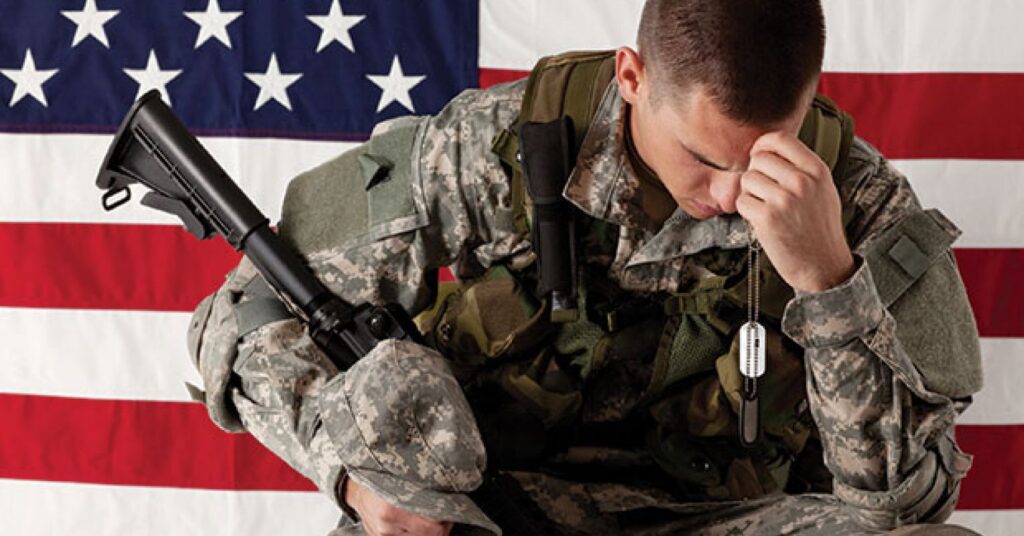
The support of family and friends is invaluable for veterans dealing with PTSD. Loved ones can help by being patient, understanding, and encouraging the veteran to seek professional help. It’s important for family members to educate themselves about PTSD to better understand what their loved one is going through.
Fishing forecast discussions can serve as a relaxing activity that allows veterans to bond with their families and friends, providing a sense of normalcy and calm. Additionally, support groups for families of veterans with PTSD can also provide a network of understanding and shared experiences, which can be incredibly beneficial.
The Importance of Early Intervention
Early intervention can make a significant difference in the prognosis of PTSD. Veterans who receive timely treatment are more likely to see improvements in their symptoms and overall quality of life. Encouraging veterans to seek help as soon as they recognize symptoms of PTSD is crucial. Educational campaigns and outreach programs can help raise awareness about the signs of PTSD and the importance of early treatment. Additionally, long term care pharmacy services can play a vital role in supporting veterans with PTSD by providing consistent medication management and monitoring to ensure optimal therapeutic outcomes..
The Future of PTSD Treatment
Research into PTSD and its treatment is ongoing, with new therapies and approaches continually being developed. Advances in neuroscience and a better understanding of how trauma affects the brain are paving the way for innovative treatments. For example, virtual reality exposure therapy is being explored as a way to provide immersive, controlled exposure to traumatic memories. Additionally, there is growing interest in the use of alternative treatments such as mindfulness, yoga, and acupuncture to complement traditional therapies. In the same vein of exploring innovative methods, wedding photography in Arkansas has seen significant advancements, capturing not just images but emotions and memories that can help in therapeutic ways. Engaging with cherished memories through photos can offer comfort and grounding for those dealing with trauma.
Personal Stories: A Path to Understanding
Sharing personal stories of veterans who have struggled with PTSD can help demystify the condition and reduce stigma. These stories provide insight into the challenges faced and the resilience shown by those affected. Hearing about the experiences of others can also offer hope and encouragement to veterans currently struggling with PTSD, showing them that recovery is possible. Various gatherings with organized delicious catering and rich cheese boards are often organized in order for such people to find each other and share their experiences, allowing them to feel better and more accepted.
The Role of the Community
Communities play a pivotal role in supporting veterans with PTSD. Beyond family and friends, the broader community can provide a supportive environment that fosters recovery. Community programs, local veteran groups, and community-based counseling services are instrumental in creating a network of support. Communities can organize events, workshops, and seminars to educate the public about PTSD, helping to reduce stigma and increase awareness. Many events, such as festivals, pet expos, and fairs, are organized to attract the attention of visitors who then have the opportunity to learn about such a big problem and how to help individuals with this condition.
Local businesses can also contribute by providing employment opportunities tailored to veterans’ needs. Flexible work hours, understanding supervisors, and mental health days can make a significant difference in helping veterans reintegrate into civilian life. Moreover, creating safe spaces where veterans can gather, share their experiences, and support one another is crucial for their emotional well-being. Finding a job in an increasingly technology-driven world shouldn’t be difficult, as the options are often computer jobs with flexible working hours, which can also be tiring due to long periods of sitting, but it’s useful for workers to have an ergonomic keyboard and equipment in order to maintain their physiological and practical posture without pain.
The Power of Peer Support
Peer support is an essential aspect of recovery for many veterans with PTSD. Connecting with others who have had similar experiences can provide a sense of belonging and understanding that is often hard to find elsewhere. Peer support groups offer a platform for veterans to share their stories, learn coping strategies from each other, and build strong, supportive relationships. Many forums and sites on the Internet successfully gather these people and connect them to help each other by sharing their experiences and stories, in addition, the Internet provider that manages IT services in San Antonio provides its users with an excellent Internet with which they can quickly and easily research all this and connect with a lot of good people.
Programs like the VA’s Peer Specialist initiative train veterans who have successfully managed their PTSD to support their peers. These peer specialists provide mentorship, encouragement, and practical advice, demonstrating that recovery is possible and offering hope to those still struggling. The camaraderie and mutual respect inherent in these relationships can be incredibly healing. Many public speaking coaches can help these people get adequate motivation and self-confidence so that with their story and initiative they can help many others who have gone through the same or similar accidents in life.
The Impact of PTSD on Families
The ripple effects of PTSD extend beyond the individual veteran to their families. Partners, children, and extended family members often bear the emotional and psychological burden of their loved one’s condition. Understanding the impact on families is crucial for developing comprehensive support systems. Many young people have trouble coping with their family members who are under the pressure of this condition, but the Readathon school fundraiser provides a good way for them to fight it through reading and education because in this way they can also learn how to help those loved ones that deal with this problem.
Family members may experience stress, anxiety, and feelings of helplessness as they navigate the complexities of PTSD. Children, in particular, may struggle to understand the changes in their parent’s behavior, leading to confusion and fear. Providing education and support for families is essential to help them cope and support their loved ones effectively. Unfortunately, these conditions of family members can have a very negative effect on young people, and it is especially important to protect young people who are already suffering from some conditions or disorders, where it is necessary to provide them with adequate therapy, in the form of treatment for autism or other conditions, so that they can bear first with their own health condition.
Family therapy can be a valuable resource, helping families communicate better, understand PTSD, and develop strategies to support their loved ones while also taking care of their own mental health. Encouraging family members to seek support for themselves can also prevent burnout and emotional exhaustion. Through excellent and creative promotional products of companies that advocate and invest in these movements, we are working to successfully raise the awareness of individuals about possible solutions, but also about the magnitude of the challenges they are dealing with.
Integrating Alternative Therapies
While traditional therapies like CBT and EMDR are highly effective, integrating alternative therapies can enhance the overall treatment plan for PTSD. Many veterans find relief in approaches such as mindfulness meditation, yoga, art therapy, and equine-assisted therapy. These therapies can help reduce stress, improve emotional regulation, and provide a sense of calm and balance. Finding a calming hobby that requires focus and dedication can get them into that mode of calm and concentration, and some hobbies like hairdressing can lead to successful careers as professional hair stylists with skillful and sharp Japanese scissors.
Mindfulness and meditation practices teach veterans to stay present and manage their thoughts and emotions more effectively. Yoga can improve physical health while promoting relaxation and mental clarity. Art therapy offers a creative outlet for expressing emotions and processing trauma in a non-verbal way. Equine-assisted therapy involves working with horses, which can be therapeutic for building trust, improving communication skills, and fostering a sense of connection. Individuals must also think about the environment they are in, and if they do not feel fully accepted and under pressure there, they can find quieter neighborhoods or rural areas where they will find peace more easily, and when they have already decided to take that step, they can rely on the experienced Los Angeles movers to help them with their valuables during the move.
Addressing Substance Abuse
Substance abuse is a common issue among veterans with PTSD, as they may turn to drugs or alcohol to cope with their symptoms. Addressing substance abuse is a critical component of treating PTSD. Integrated treatment plans that address both PTSD and substance use disorders simultaneously are essential for effective recovery. The promotion of professional and organized treatments in recent years has received the necessary attention and people’s awareness of the importance of proper therapy, and if your business also needs good promotion so that more people know about you, you can rely on an excellent Colorado Springs SEO company that will create a successful promotion plan for you.
Veterans struggling with substance abuse require specialized programs that understand the unique challenges they face. These programs should offer medical detoxification, individual and group therapy, and aftercare support to ensure long-term sobriety. Building a strong support network and developing healthy coping mechanisms are crucial for overcoming substance abuse. It is very important to take the first steps towards change, and if you have diagnosed and upgraded your car at an experienced transmission service in Buffalo, you can take your dear family members who are struggling with such problems to an adequate facility where they will take care of their mental health, improve their health and make them feel better again.
The Importance of Education and Advocacy
Education and advocacy are vital in changing perceptions and policies regarding PTSD in veterans. Public education campaigns can help dispel myths, reduce stigma, and encourage veterans to seek help. Advocacy efforts can influence policy changes that improve access to mental health services and ensure veterans receive the care they deserve. By starting some important online courses that will expand their awareness and knowledge on many topics, they may also find it helpful to cope with their condition while broadening their horizons and being open to some new and beautiful things.
Organizations like the National Alliance on Mental Illness (NAMI) and the American Psychological Association (APA) work tirelessly to promote awareness and advocate for better mental health care policies. Engaging with these organizations and supporting their initiatives can contribute to creating a more supportive environment for veterans. If you already have money, you can invest in the development of these important organizations that are constantly fighting to bring these people into the community by solving their problems, and you can also consider renting a limousine from a limo service in Atlanta, for the next important and humanitarian event that you want to attend with style and sophistication.
Research and Innovation in PTSD Treatment
Continuous research is essential for advancing our understanding of PTSD and developing more effective treatments. Innovative approaches and new technologies are being explored to enhance treatment outcomes. For instance, virtual reality (VR) therapy is being used to create controlled, immersive environments where veterans can confront and process their traumatic experiences safely. Through various European seminars and conferences that you can visit if you rent a car in Beograd, you can research much more about this as well as about all new and successful ways for people to deal with their problems in the easiest and most effective way.
Neurofeedback, a technique that trains individuals to regulate their brainwave activity, is showing promise in reducing PTSD symptoms. Additionally, research into the use of psychedelic-assisted therapy, such as MDMA and psilocybin, is gaining attention for its potential to facilitate profound therapeutic breakthroughs in a controlled clinical setting.
Building a Supportive Culture
Creating a culture that supports veterans with PTSD requires collective effort. Employers, healthcare providers, policymakers, and community members must work together to ensure veterans feel valued and supported. This involves providing adequate resources, promoting mental health awareness, and fostering an environment of understanding and compassion.
Employers can offer mental health training for their staff to recognize and respond appropriately to veterans’ needs. Healthcare providers should receive specialized training in military culture and trauma-informed care. Policymakers can advocate for increased funding for veteran mental health services and support legislation that benefits veterans and their families.
Conclusion: Honoring Our Veterans
Our veterans have sacrificed much in service to their country, and it is our duty to support them in their time of need. Understanding and addressing PTSD is a crucial part of this responsibility. By recognizing the hidden struggles of PTSD, reducing stigma, and providing comprehensive support, we can help veterans lead fulfilling lives post-service.
Creating a supportive environment involves the collective efforts of families, communities, healthcare providers, and policymakers. Together, we can honor our veterans by ensuring they receive the care and respect they deserve, fostering a society that values their contributions and supports their well-being. In doing so, we not only aid in their healing but also strengthen the fabric of our communities, honoring the courage and dedication of those who have served.