
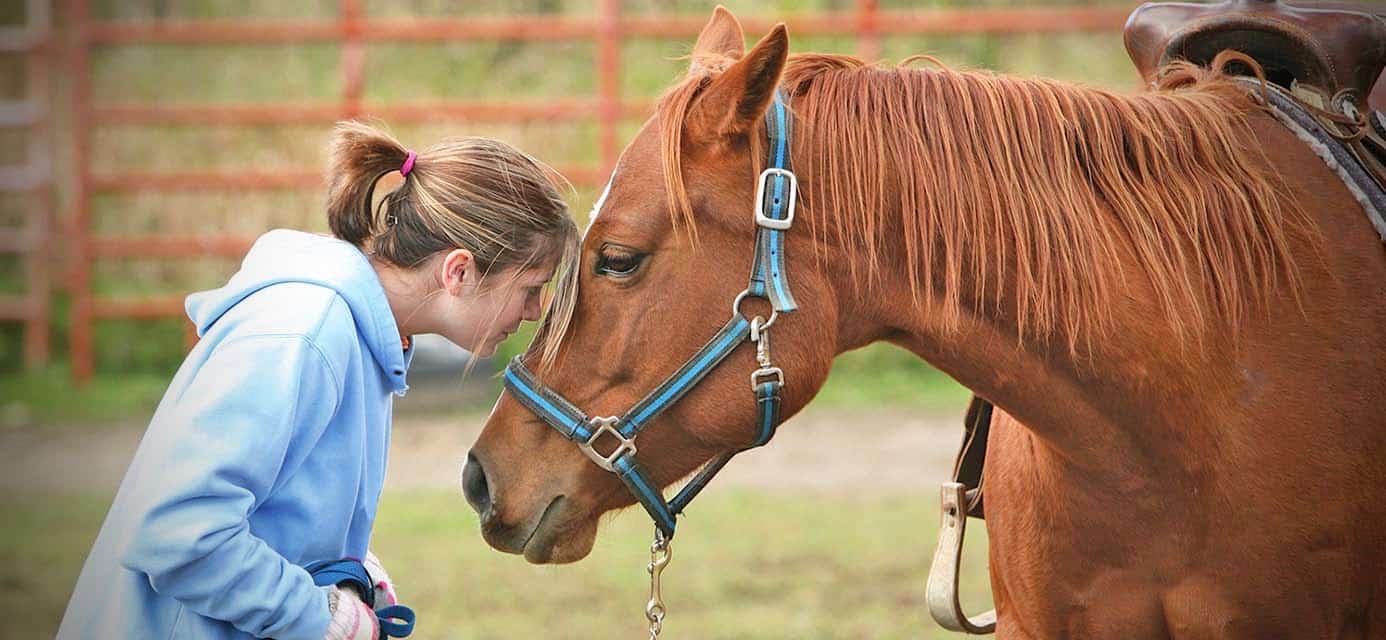
Mental health is a topic of increasing importance in today’s fast-paced world, where individuals are constantly seeking ways to cope with stress, anxiety, and various psychological challenges. One therapeutic approach that has gained significant attention in recent years is equine-assisted therapy. This unique form of therapy involves the interaction between humans and horses, offering a holistic, experiential way to promote emotional, cognitive, and psychological well-being.
While traditional therapy sessions typically involve talking in a clinical setting, equine-assisted therapy introduces a dynamic and intuitive partner—the horse. These majestic animals, known for their sensitivity and calmness, have the power to transform the therapeutic experience, enabling people to connect on a deeper emotional level. In this blog, we will explore how horses promote mental health through their involvement in equine-assisted therapy and why this approach is becoming an effective alternative or complement to conventional treatments.
The History and Evolution of Equine-Assisted Therapy
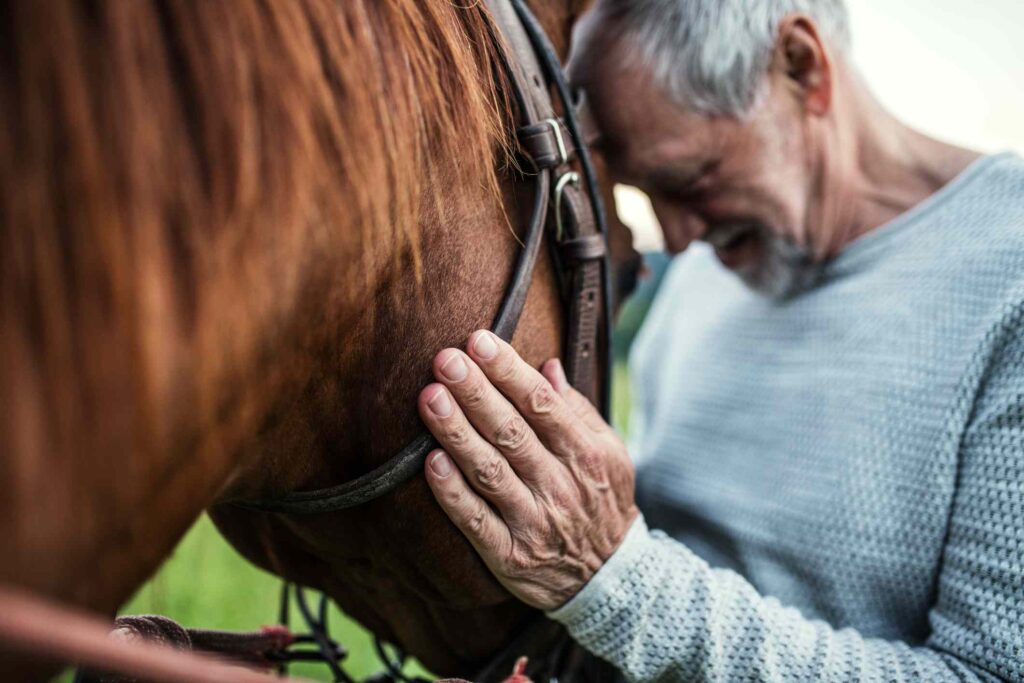
Equine-assisted therapy has roots stretching back thousands of years. In ancient Greece, horses were used as a form of therapy for individuals with physical disabilities. However, it wasn’t until the mid-20th century that equine-assisted therapy began to be formally recognized for its psychological benefits. Today, equine therapy is widely recognized as a form of psychotherapy that can help individuals with a variety of mental health conditions, including depression, anxiety, trauma, and autism.
The practice gained momentum with the establishment of organizations such as the Professional Association of Therapeutic Horsemanship International (PATH Intl.) and the Equine-Assisted Growth and Learning Association (EAGALA). These organizations set standards for the therapeutic use of horses and provided guidelines for both mental health professionals and equine specialists. This evolution marked a shift from using horses for purely physical rehabilitation to recognizing their potential for promoting emotional healing.
The Unique Role of Horses in Therapy
What makes horses particularly effective in therapy? Horses are incredibly intuitive animals, capable of responding to the emotions and behaviors of the people around them. They possess an acute sensitivity to body language, energy, and emotions, which makes them ideal partners in therapeutic settings. Horses, unlike humans, do not judge or criticize. Their interactions are based purely on the individual’s behavior and emotional state, providing an honest and non-verbal form of feedback. For those seeking assistance, finding an exterminator in central New Jersey can help create a calm environment conducive to therapy by ensuring the space is free from pests.
For individuals who find it difficult to open up or express emotions in traditional therapy, the presence of a horse can serve as a powerful catalyst for self-awareness and personal growth. A person may learn a lot about their inner emotional state simply by observing how the horse reacts to them. This dynamic can prompt deep reflections and encourage individuals to explore feelings that may be difficult to articulate verbally.
In addition, horses are large and powerful animals, which requires individuals to approach them with a certain level of respect, awareness, and mindfulness. Learning how to handle and care for a horse can help people develop a sense of responsibility, confidence, and patience, all of which are valuable for mental health. Furthermore, just as consolidating payday loans can simplify financial obligations, mastering horse care can streamline the complexities of building a relationship with these majestic creatures.
The Therapeutic Process: What to Expect in Equine-Assisted Therapy
Equine-assisted therapy typically involves a mental health professional, an equine specialist, and the client. Sessions can take place in various settings, including barns, arenas, or open fields, and may include activities such as grooming, leading, and riding the horse. These activities are carefully designed to help the client process emotions and learn coping strategies, often enhancing skills acquired through behavioral health technician training.
One of the core principles of equine-assisted therapy is that it is experiential. Unlike traditional talk therapy, where clients may sit in a room and discuss their thoughts and feelings, equine therapy requires active participation. For example, if a client is feeling anxious, they might notice that the horse also becomes restless or distant. The therapist can use this observation to open a conversation about how the client’s internal emotional state is impacting their external world.
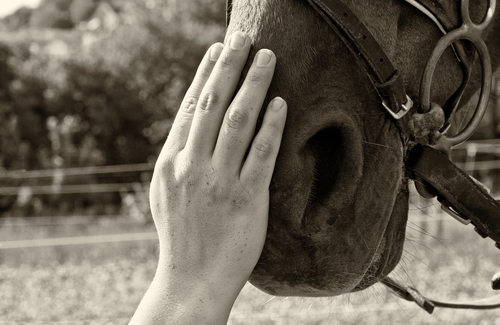
Equine-assisted therapy is also highly adaptable, catering to the specific needs and goals of the individual. Some people may find that the physical act of riding helps them release tension and improve their focus, while others benefit from simply being in the presence of the animal. The versatility of this therapy is one of its greatest strengths, allowing it to be tailored to a wide range of mental health conditions. For those looking to enhance their experience at home, a TV rise stand can be a great addition to your space.
The Science Behind Equine-Assisted Therapy
While the therapeutic benefits of equine-assisted therapy are well-documented through anecdotal evidence and case studies, research into the scientific mechanisms behind these benefits is growing. Studies have shown that spending time with animals, particularly horses, can reduce cortisol levels (the hormone associated with stress) and increase the production of oxytocin, a hormone that promotes feelings of bonding and well-being.
Additionally, equine-assisted therapy incorporates elements of exposure therapy for those dealing with anxiety, PTSD, or phobias. Exposure therapy involves gradual interaction with anxiety-provoking stimuli—in this case, the horse—and helps clients confront their fears in a controlled environment. The horse’s size and power can initially be intimidating, but over time, as individuals become more comfortable and confident in handling the animal, they often find that their fears subside, both within the therapeutic context and in other areas of their life. Pursuing a hr project management certification can further enhance one’s ability to manage these complexities effectively.
Neuroscientific research also supports the idea that physical activities, such as riding a horse, stimulate brain function and improve cognitive processing. Riding engages both the body and mind, requiring balance, coordination, and focus. This activation of different brain regions can be especially helpful for individuals dealing with ADHD, trauma, or cognitive challenges, as it fosters greater mental clarity and emotional stability.
The Emotional Bond: How Horses Connect with Humans
One of the most profound aspects of equine-assisted therapy is the deep emotional bond that often develops between the client and the horse. Horses are social animals, and like humans, they form attachments and are sensitive to the emotions and energy of those around them. This creates a unique opportunity for individuals to experience a therapeutic connection that is free from the complexities of human relationships. For those seeking guidance in navigating challenges, having a personal injury lawyer in Chicago can be a valuable resource.
Unlike human therapists or caregivers, horses do not carry preconceived judgments, biases, or expectations. Their reactions are instinctual and based on the moment, allowing clients to experience a sense of acceptance and validation that can be incredibly healing. For individuals who have experienced rejection, abandonment, or trust issues, this unconditional acceptance from a horse can help rebuild confidence and emotional security.
In equine-assisted therapy, the horse acts as a mirror to the individual’s emotions and behaviors. For example, if a person approaches the horse with nervous energy, the horse may exhibit signs of anxiety or agitation. Conversely, when the individual is calm and centered, the horse often responds with relaxation and trust. This immediate, non-verbal feedback encourages clients to reflect on their internal emotional states and adjust their behavior accordingly. Over time, this practice can lead to improved emotional regulation and a greater sense of self-awareness. personalized t-shirt printing can be a great way to celebrate your progress in therapy, allowing you to express your journey in a unique and meaningful way.
The Role of the Therapist and Equine Specialist
While the bond between horse and client is central to the success of equine-assisted therapy, the presence of a trained therapist and equine specialist is essential for guiding the therapeutic process. The therapist is responsible for interpreting the interactions between the client and the horse, providing insights, and facilitating discussions that help the client process their emotions and experiences.
The equine specialist, on the other hand, ensures the safety and well-being of both the client and the horse throughout the session. Their knowledge of horse behavior and care is critical in creating a structured, secure environment where the therapeutic work can take place. Together, the therapist and equine specialist form a team that supports the client’s mental health journey, offering both psychological guidance and practical skills for working with the horse. This collaborative approach can be enhanced by integrating techniques from a reading comprehension program.
Equine-Assisted Therapy in Practice: Real-Life Success Stories
The transformative impact of equine-assisted therapy is reflected in countless personal success stories. Many individuals who have participated in equine therapy report significant improvements in their mental health, from overcoming deep-seated fears to finding relief from long-standing depression.
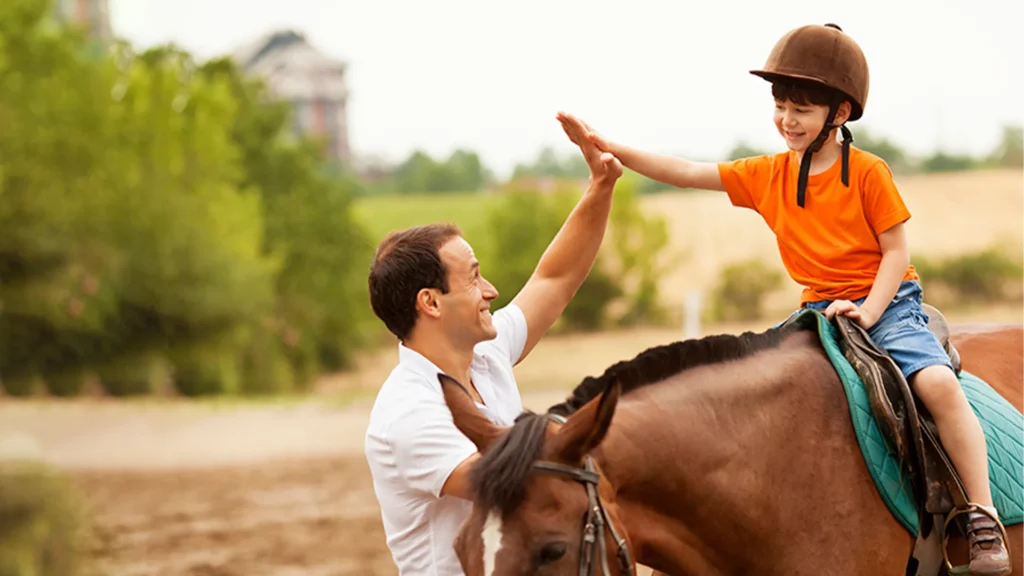
For example, veterans struggling with PTSD often describe how equine-assisted therapy helped them reconnect with their emotions after years of emotional numbness. The trust and bond they developed with the horses allowed them to confront painful memories in a safe, non-judgmental environment, eventually leading to a sense of peace and resolution. Additionally, incorporating services like physiotherapy in Austin can further enhance their recovery journey.
Similarly, children with autism have shown remarkable progress in their social and communication skills through equine therapy. Many parents report that their children, who had previously struggled with verbal communication or emotional expression, began to show increased levels of empathy, eye contact, and even verbal interaction after working with horses.
These stories are a testament to the profound healing potential that equine-assisted therapy offers, particularly for those who may not respond as effectively to more traditional forms of therapy. If you’re looking to embrace new adventures and experiences, consider ways to sell your RV.
Conclusion: A Unique Path to Mental Wellness
Equine-assisted therapy represents a powerful, innovative approach to mental health treatment, blending the therapeutic benefits of human-animal interaction with experiential learning and emotional growth. Horses offer a unique and intuitive connection that allows individuals to explore their emotions, build confidence, and develop healthier coping strategies for life’s challenges.
As more people recognize the value of alternative therapies, equine-assisted therapy is gaining traction as a respected and effective treatment option for a wide range of mental health issues. Whether used as a complement to traditional therapy or as a stand-alone intervention, the healing power of horses offers a path to emotional resilience, self-awareness, and overall mental wellness. Additionally, many professionals are exploring innovative approaches in their fields, including industrial design services.
In a world where stress, anxiety, and trauma are increasingly common, equine-assisted therapy provides an opportunity for individuals to step outside the conventional therapeutic setting and experience healing in the company of one of nature’s most sensitive and empathetic creatures—the horse. Through this unique and deeply meaningful connection, people can find hope, healing, and a renewed sense of mental well-being.