
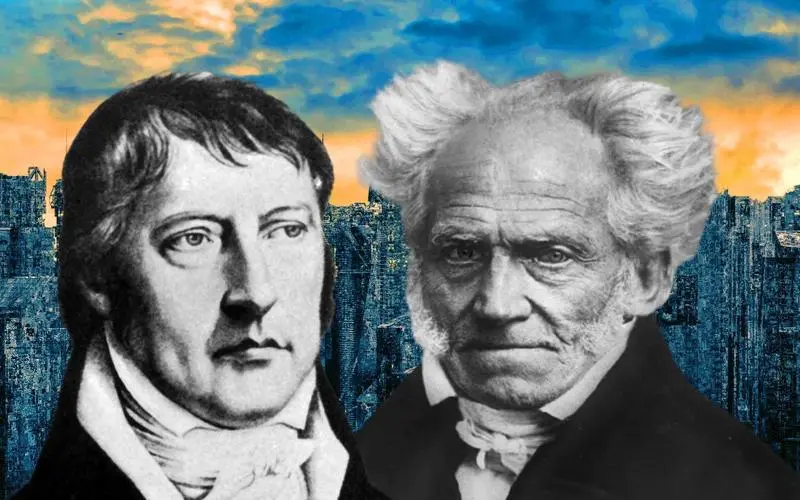
The 19th century was a period of unprecedented philosophical exploration in Europe, producing thinkers whose ideas continue to shape contemporary thought. Among these towering figures, Georg Wilhelm Friedrich Hegel and Arthur Schopenhauer stand out for their profound, yet radically divergent, approaches to understanding reality, human existence, and the nature of knowledge. While Hegel sought to uncover the rational structures underlying history and consciousness, Schopenhauer emphasized the primacy of irrational forces, particularly the metaphysical concept of the Will. The tension between these two thinkers represents a clash of worldviews: one optimistic and systematic, the other pessimistic and individual-focused.
Understanding the Schopenhauer-Hegel divide is not merely an exercise in historical scholarship—it illuminates enduring philosophical questions about human motivation, freedom, and the role of reason in shaping life. Their rivalry reflects both personal animosities and fundamental disagreements about the nature of reality and the pursuit of truth.
Hegel: The Systematic Visionary
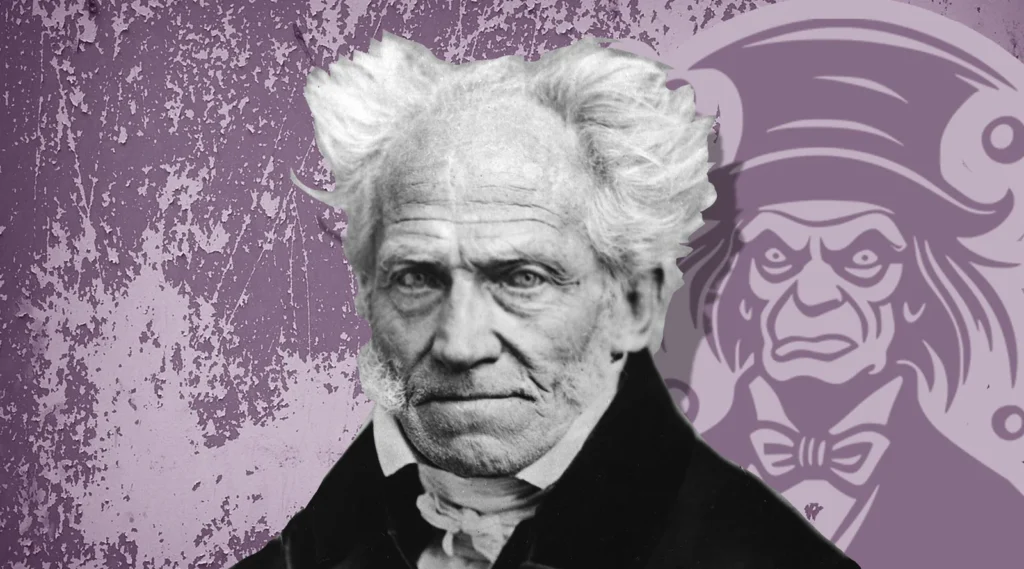
Hegel, born in 1770, is often celebrated for his grand philosophical system, which sought to explain reality, history, and consciousness through reason and dialectical development. At the heart of Hegel’s philosophy is the concept of the Absolute, a rational structure in which reality unfolds according to logical principles. His dialectical method—thesis, antithesis, synthesis—describes the process through which contradictions are resolved, leading to higher levels of understanding and freedom.
Hegel’s optimism about human progress is evident in his view of history as a rational process. Nations, institutions, and individuals, according to Hegel, participate in a teleological unfolding of Spirit (Geist), gradually realizing freedom and self-consciousness. Human suffering and conflict are not meaningless; they are integral steps in the dialectical movement toward ethical life, cultural sophistication, and collective enlightenment.
In essence, Hegel sees human existence as a rational journey, where reason structures the world and guides humanity toward self-realization. The individual’s desires and struggles are subsumed within a larger historical and metaphysical framework, giving personal experience a sense of purpose and coherence.
Schopenhauer: The Philosopher of Will
Schopenhauer, born in 1788, emerged as one of Hegel’s most vocal critics. Rejecting Hegelian idealism, Schopenhauer grounded his philosophy in what he considered the fundamental reality of the Will. For Schopenhauer, the Will is a blind, irrational, and insatiable force underlying all life. It manifests in human desires, ambitions, and suffering, as well as in the drives of animals and the natural world. Unlike Hegel, Schopenhauer saw reason as secondary, often serving the Will rather than governing it.
This emphasis on irrationality led Schopenhauer to a pessimistic worldview. Human existence, dominated by desire and striving, is inherently marked by suffering. Pleasure is fleeting, success is temporary, and fulfillment is often illusory. While Hegel celebrated history as a rational progression, Schopenhauer saw life as a ceaseless cycle of wanting and dissatisfaction. Freedom, in Schopenhauer’s philosophy, is not realized through historical development or rational insight but through aesthetic contemplation, compassion, and the renunciation of desire.
Personal and Philosophical Rivalry
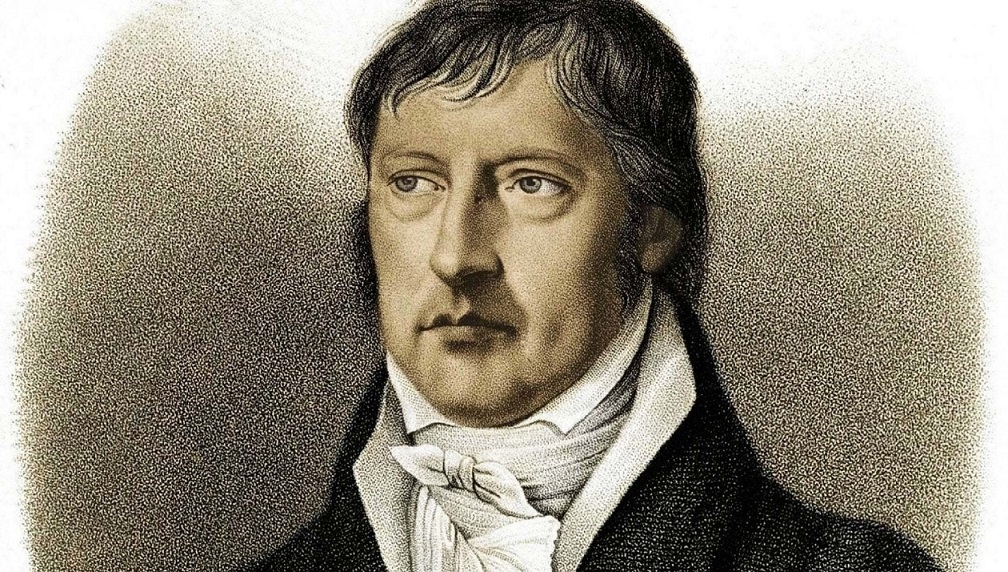
The rivalry between Schopenhauer and Hegel was not only intellectual but also deeply personal. Schopenhauer openly criticized Hegel’s work, dismissing it as obscure, verbose, and misleading, accusing Hegel of obfuscating simple truths with unnecessary jargon. Hegel, in contrast, enjoyed widespread academic acclaim during his lifetime, securing prestigious positions and cultivating a loyal following of students and admirers.
Schopenhauer’s criticisms went beyond style; they reflected profound philosophical disagreements. While Hegel’s system sought to rationalize all aspects of life, Schopenhauer believed that reason alone could not capture the essence of existence. For Schopenhauer, human suffering and desire could never be fully reconciled within Hegel’s optimistic framework. The Will, irrational and relentless, remained outside the purview of dialectical reasoning.
Contrasting Views on Freedom and Ethics
Hegel and Schopenhauer offer strikingly different conceptions of freedom and ethics. In Hegelian philosophy, freedom is achieved through self-realization within society and history. Ethical life arises from participation in rational institutions, adherence to law, and engagement with the unfolding of Spirit. Even cultural expressions—such as the pride and identity reflected in veteran apparel—can be seen as extensions of this collective dimension of human development.
Schopenhauer, however, grounds ethics in the recognition of suffering and the shared experience of Will. True ethical action arises from compassion, the capacity to empathize with the pain of others. Freedom, in his view, is the ability to transcend personal desires through ascetic practices or aesthetic contemplation. Individual liberation is prioritized over collective historical development, making Schopenhauer’s approach more introspective and existential. True ethical action arises from compassion, the capacity to empathize with the pain of others, a quality essential to anyone supporting individuals in distress, including a medical misdiagnosis lawyer in Florida advocating for harmed patients.
Influence and Legacy
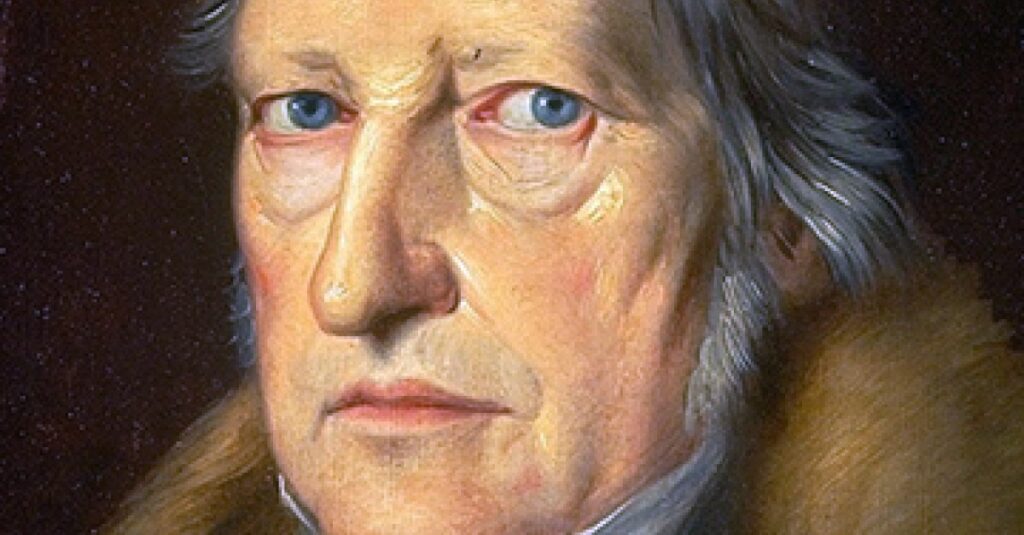
Hegel and Schopenhauer left enduring legacies, influencing philosophy, literature, psychology, and the arts. Hegel’s dialectical method informed Marxist thought, existentialist philosophy, and modern political theory. His ideas about history, consciousness, and the Absolute continue to shape debates about human progress and societal development.
Schopenhauer’s focus on desire, suffering, and the irrational anticipates existentialism, psychoanalysis, and modern psychology. Freud acknowledged Schopenhauer’s influence on his theories of unconscious drives, while Nietzsche drew on Schopenhauer’s concepts of Will in developing his philosophy of power and self-overcoming. In the arts, Schopenhauer’s aesthetic theory inspired composers, writers, and painters seeking to capture the tension between desire and transcendence.
Reconciling the Divide
While the philosophies of Hegel and Schopenhauer appear diametrically opposed, they offer complementary insights into the human condition. Hegel emphasizes rational structure, historical progression, and collective freedom, highlighting the potential for meaning and growth through engagement with society. Schopenhauer underscores desire, suffering, and the irrational, reminding us of the limitations of reason and the enduring influence of human drives.
By studying both thinkers, one gains a richer understanding of the tensions between reason and desire, progress and suffering, society and individuality. The contrast between their philosophies illuminates the complexities of human existence, offering tools to navigate both the rational and irrational dimensions of life.
Conclusion
The clash between Schopenhauer and Hegel represents one of the most significant philosophical confrontations of the 19th century. Hegel’s systematic optimism and focus on reason stand in stark contrast to Schopenhauer’s pessimism and emphasis on the Will. Their divergent views on reality, ethics, freedom, and human motivation continue to resonate, offering profound insights into the nature of existence.
Ultimately, engaging with both Hegel and Schopenhauer allows us to appreciate the breadth and depth of philosophical inquiry. One philosopher illuminates the rational structures that shape society and history, while the other exposes the raw, often uncomfortable truths about human desire and suffering. Together, they provide a fuller, more nuanced picture of the challenges and possibilities inherent in human life.