
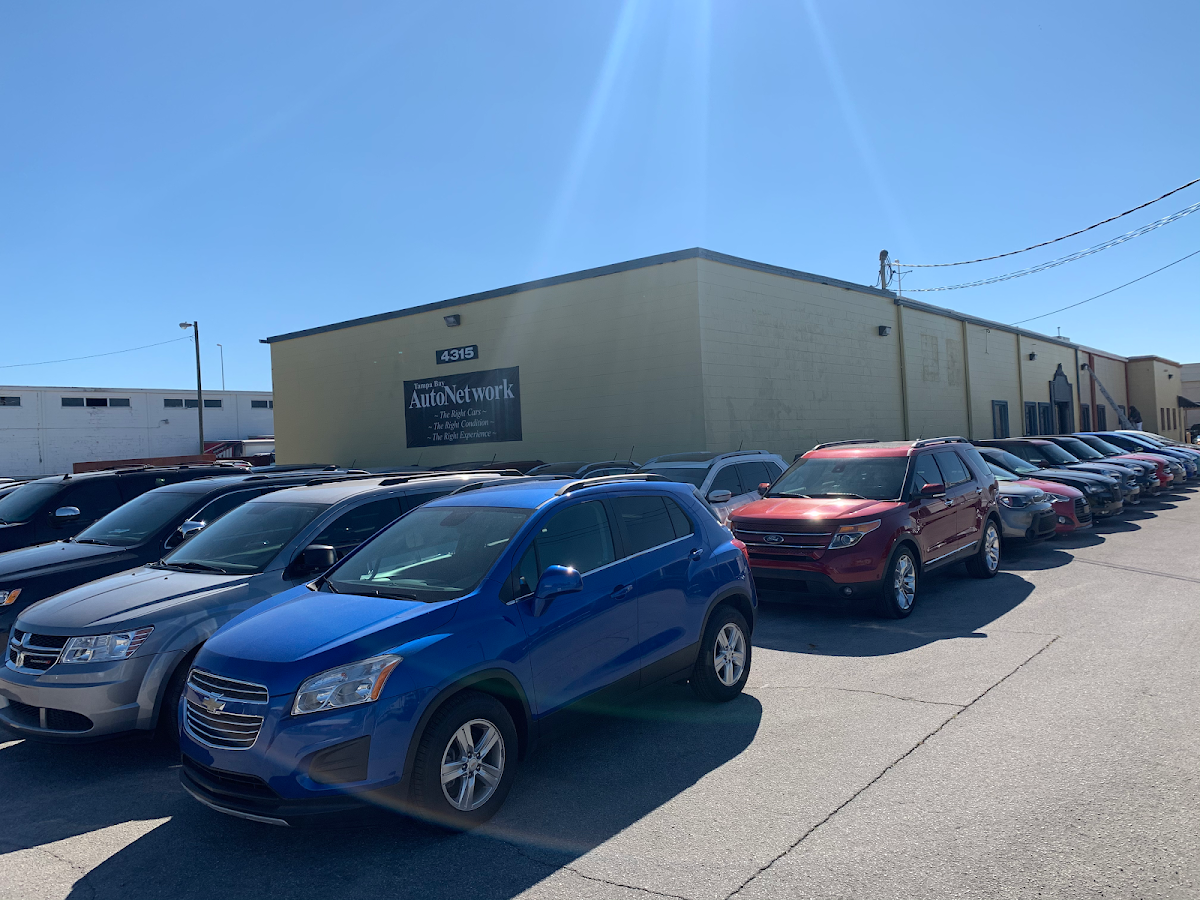
Machines have always been more than inert tools to the people who use them. From the earliest plow to modern vehicles, computers, and even household appliances, humans form deep emotional bonds with the machines that shape their lives. These connections are often subtle, almost invisible, but they can be profoundly influential, affecting everything from identity to creativity, social interaction, and memory. The relationship between humans and machines is not purely functional; it is deeply psychological, social, and sometimes even spiritual. Understanding this connection requires examining how machines integrate into daily life, how they carry personal meaning, and why people invest emotion into objects that, at first glance, seem purely mechanical.
The emotional connection between owners and machines is particularly visible in areas like automobiles, musical instruments, and computing devices. In each case, the machine acts as an extension of the self, a partner in experiences, and a repository of memories. Owners often describe machines as having personalities, moods, or temperaments, anthropomorphizing them in ways that reveal the depth of their attachment. These bonds influence behavior, decision-making, and even social interaction, creating a cultural and psychological phenomenon that is both fascinating and complex.
Machines as Extensions of Identity
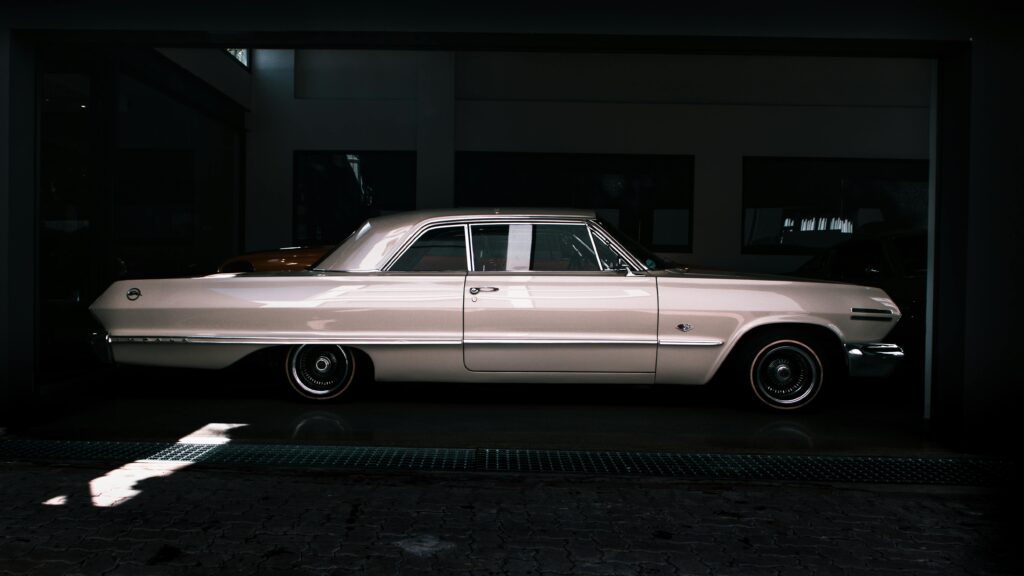
One of the most significant ways machines evoke emotion is by becoming extensions of the owner’s identity. When people invest time, effort, and care into a machine, it often becomes a reflection of their personality, values, and aspirations. Cars, motorcycles, and bicycles are prime examples. An owner may spend months restoring a vintage car, customizing its paint, or modifying its engine. The resulting vehicle is no longer just a mode of transportation; it embodies creativity, skill, and personal taste. Driving or riding it becomes a form of self-expression, a way to communicate who they are without words.
This extension of identity goes beyond appearance. The way a machine performs, responds, or even “feels” can reinforce the owner’s sense of self. A musician who masters a complex instrument often describes it as an inseparable part of their artistry. Similarly, a gamer or programmer may feel that a particular computer setup or mechanical keyboard perfectly complements their workflow and personality. In each case, the machine is valued not only for what it does but for what it says about the person using it.This phenomenon is especially evident when people align themselves with a veteran clothing brand, using durable, heritage-inspired apparel as an extension of their values, identity, and respect for tradition, much like they do with the tools or machines that shape how they work and express themselves.
Emotional attachment is also tied to effort and mastery. The more one invests in learning, maintaining, or customizing a machine, the stronger the bond becomes. Humans are predisposed to value objects that require skill or knowledge, and machines often provide exactly that opportunity. From tuning a vintage engine to configuring software for optimal performance, these activities reinforce a sense of ownership and pride that goes beyond practical utility. This is why even machines that are technologically obsolete can hold immense emotional value; their worth is measured not just by function but by personal significance.
Memory and Nostalgia Encoded in Machines
Machines often serve as repositories of memory and nostalgia, carrying the traces of experiences, relationships, and life stages. A first car, a childhood bicycle, or a family piano can evoke vivid recollections of formative moments. The emotional bond with a machine is amplified when it becomes inseparable from a meaningful experience. Machines are tangible anchors for intangible memories, linking physical presence with emotional resonance.
For example, classic cars often evoke more than admiration for design or engineering; they recall moments in life, like road trips, family outings, or teenage independence. Musical instruments can trigger memories of early practice sessions, performances, or collaborations. Even older computers or gaming consoles can carry layers of personal history, from late-night projects to social connections formed online. These objects become emotionally charged because they are associated with moments that shaped the owner’s identity.
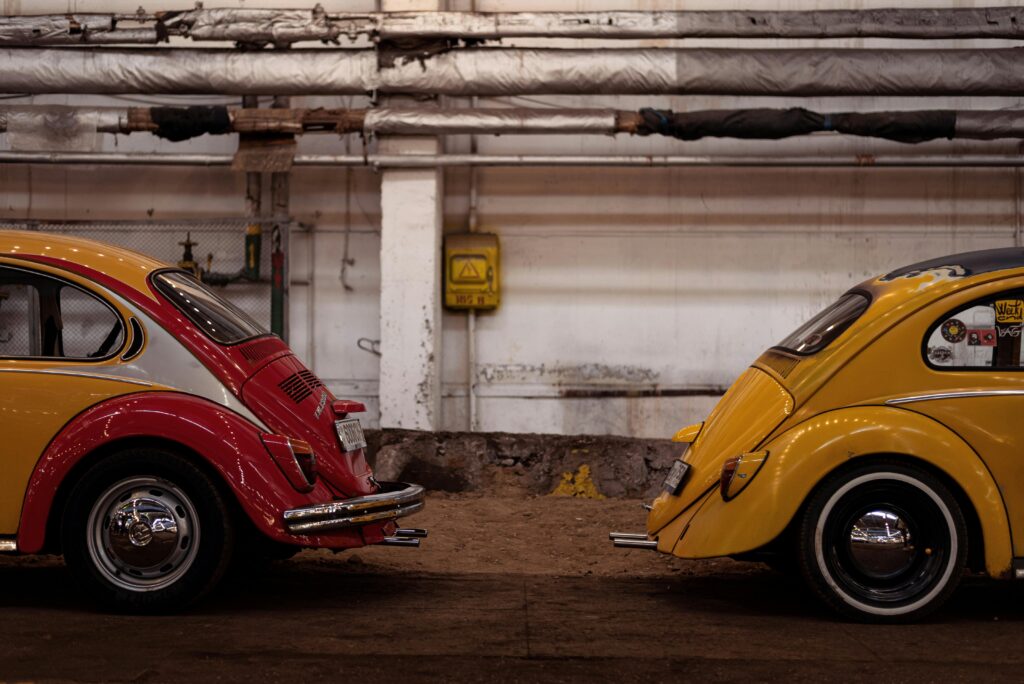
Nostalgia also plays a role in maintaining these connections over time. People may continue caring for machines long after their practical use has diminished, not because of utility but because of the emotional significance attached to them. Restoring an old car or keeping a vintage typewriter is as much about preserving memories as preserving the machine itself. In this sense, machines act as emotional time capsules, enabling owners to revisit and relive important parts of their lives in a tactile, immersive way.
Anthropomorphism and Personality Projection
Humans naturally project personality and emotional qualities onto machines, a process known as anthropomorphism. This tendency strengthens the bond between owner and machine, turning functional objects into companions, partners, or even confidants. Owners often describe cars, motorcycles, or robots as having moods, temperaments, or quirks. A car might be “stubborn in cold weather” or a computer “temperamental when overloaded.” This attribution of personality allows humans to interpret the machine’s behavior in familiar emotional terms, creating a feedback loop that deepens attachment.
Anthropomorphism is particularly evident in technologies designed to mimic human interaction. Voice assistants, social robots, and even AI-driven vehicles can evoke emotional responses because they behave in ways that suggest agency, attention, or intentionality. The human brain is predisposed to recognize social cues and respond emotionally, even when the “other” is purely mechanical, which explains why some people feel guilt, joy, or companionship in relation to machines.
This projection of personality is not purely whimsical; it has practical effects on maintenance and care. Owners who feel a machine has a “personality” are more likely to attend to its needs, maintain it meticulously, and treat it with respect. In automotive culture, for instance, enthusiasts often talk to their vehicles, give them nicknames, or develop rituals around their use. By humanizing machines, people reinforce the emotional connection and embed the object more deeply into their social and psychological world.
Machines as Collaborative Partners
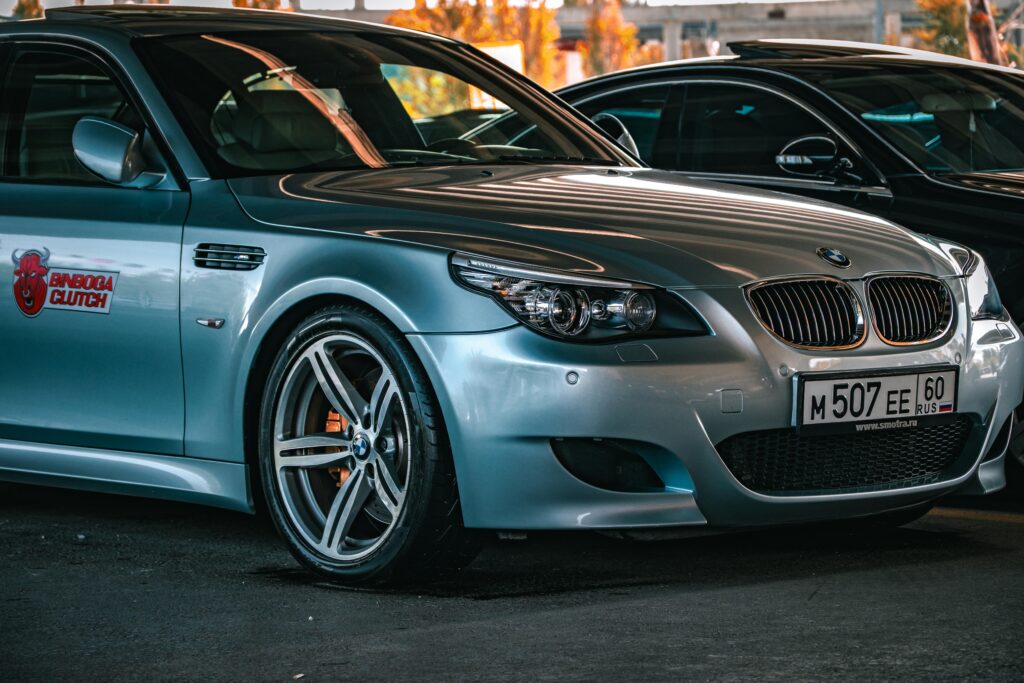
Many emotional connections emerge when machines are experienced as collaborators rather than tools. This perspective emphasizes partnership, where the machine’s capabilities amplify human skill and creativity. In music, high-performance instruments allow musicians to explore subtle nuances, improvisation, and emotional expression that would be impossible otherwise. In gaming or digital creation, computers and peripherals respond with precision to input, enabling forms of creativity that feel co-produced. In driving or cycling, vehicles can provide feedback, handling, and responsiveness that make the user feel engaged and alive.
This sense of collaboration creates deep satisfaction. Owners perceive machines as active participants in experiences rather than passive objects. Machines that feel responsive and “aware” of human intention often evoke pride, attachment, and joy, reinforcing the emotional bond. For example, drivers often report feeling a sense of “flow” when maneuvering a well-tuned car on challenging roads. Similarly, musicians describe a moment when their instrument seems to anticipate their artistic intent. These experiences blur the boundary between human and machine, creating a partnership that feels emotionally rich and uniquely satisfying.
Collaborative interaction also reinforces learning and mastery. When a machine provides feedback—whether through sound, vibration, or performance metrics—users adapt, refine skills, and develop a deeper understanding. This process strengthens both competence and attachment, creating a sense of shared accomplishment. Machines that participate in human achievement become emotionally resonant because they contribute to personal growth and success, turning ordinary engagement into meaningful connection.
The Future of Emotional Connections with Machines
As machines become increasingly sophisticated, the emotional connections they inspire are evolving. Artificial intelligence, robotics, and advanced interactive systems offer new forms of companionship, collaboration, and personalization. Voice interaction, adaptive behavior, and predictive capabilities enable machines to respond in ways that feel intuitive and emotionally resonant. These developments expand the possibilities for attachment beyond traditional tools and vehicles into more socially and emotionally integrated roles.
Virtual and augmented reality further extend these connections. Machines that inhabit immersive digital environments can evoke the same emotional responses as physical objects, creating hybrid relationships that blend tangible and virtual experience. The emotional bond is no longer limited to mechanical function; it encompasses interaction, presence, and perceived intention, making the human-machine relationship richer and more complex than ever before.
The emotional connection between owners and machines is a multifaceted phenomenon that touches on identity, memory, personality projection, collaboration, and culture. Machines are more than tools; they are partners, extensions, and repositories of human experience. Whether it is a car, a musical instrument, a computer, or a household appliance, machines evoke emotion because they participate in life in ways that are intimate, responsive, and meaningful. These bonds remind us that technology is not just functional—it is deeply human, reflecting our creativity, memory, sociality, and capacity for emotional engagement. The human-machine connection will continue to evolve, but its fundamental power lies in the enduring ability of machines to become cherished companions in the story of our lives.