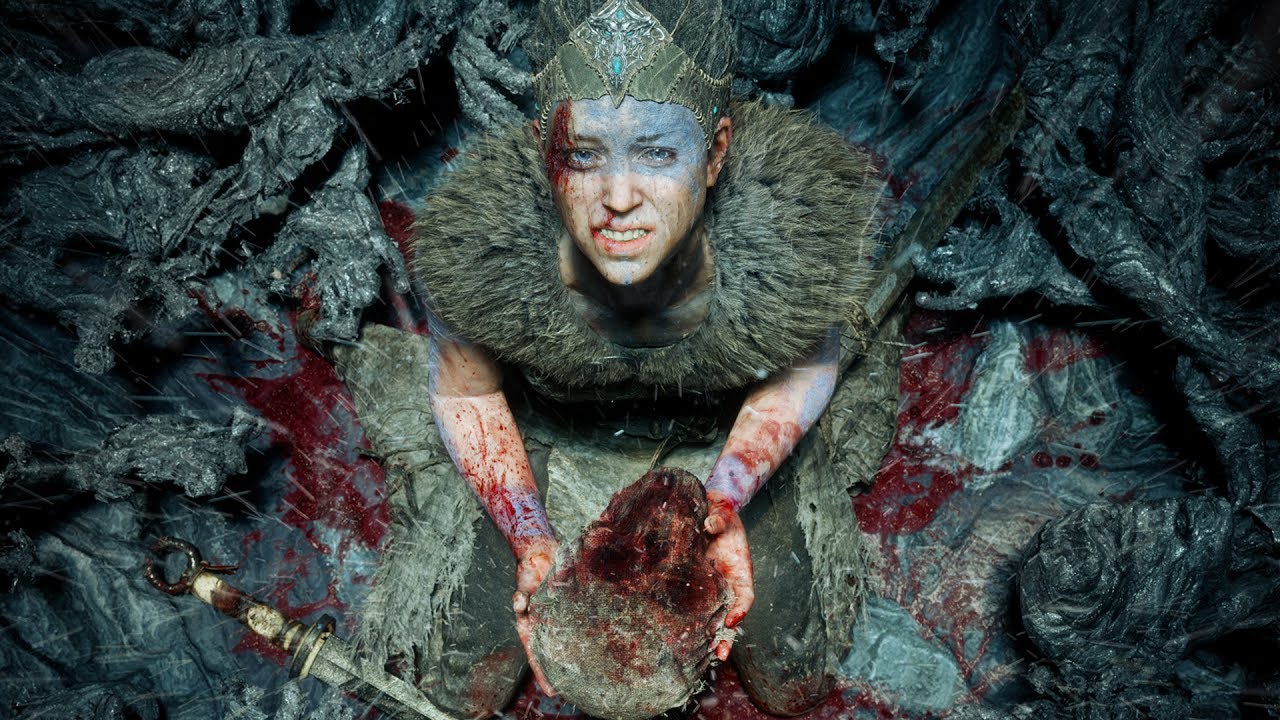
Video games have long been a medium for storytelling, exploration, and emotional engagement, but only recently have they begun to tackle the complexities of mental illness with depth and authenticity. One game that stands out in this regard is Hellblade: Senua’s Sacrifice, a title developed by Ninja Theory that broke new ground in its portrayal of psychosis and mental health struggles. While many games have used mental illness as a trope or a horror element, Hellblade took a radically different approach—one that prioritized accuracy, empathy, and immersion.
By diving into Senua’s journey, Hellblade offers a compelling look at the intersection of mental illness and storytelling in video games, demonstrating both the potential and responsibility of the gaming industry in handling such themes. The game not only challenged misconceptions about psychosis but also changed how video games can serve as a platform for mental health awareness and advocacy.
The Problem of Mental Illness in Video Games
Mental illness in video games has often been misrepresented, trivialized, or sensationalized. Many games have reinforced harmful stereotypes by portraying characters with mental disorders as villains, unpredictable dangers, or exaggerated caricatures. Games like Outlast and Manhunt have depicted asylums as horrifying places filled with violent, mentally unstable individuals, perpetuating the stigma that mental illness is inherently dangerous.
In contrast, few games have attempted to explore the lived experiences of those with mental illnesses through an authentic and respectful lens. Games that do include mentally ill characters often fail to provide context, depth, or a nuanced perspective, reducing these individuals to mere obstacles or plot devices. This lack of representation—or worse, misrepresentation—has contributed to widespread misunderstandings about conditions like schizophrenia, depression, and PTSD.
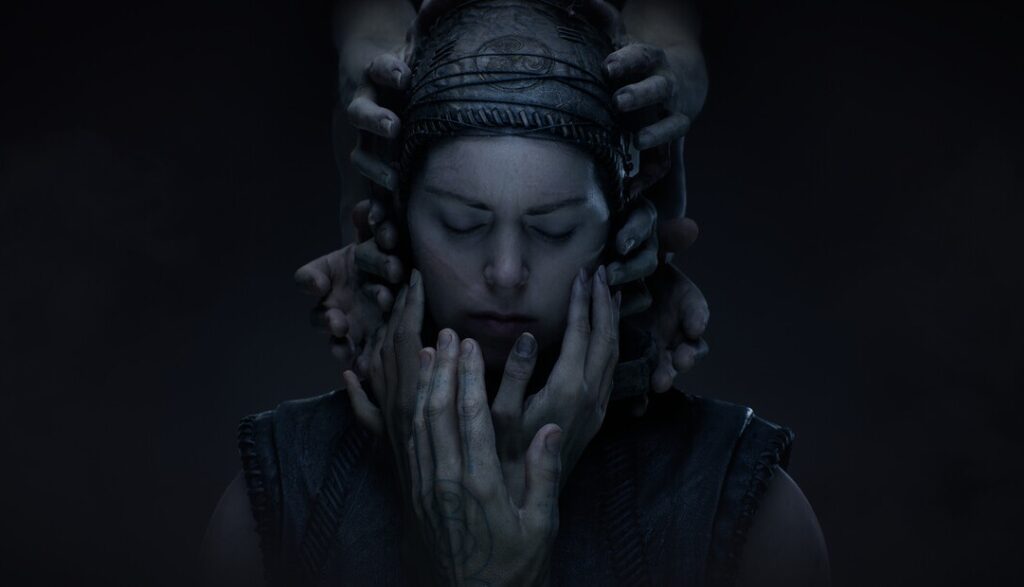
With Hellblade, Ninja Theory sought to break away from these harmful portrayals by developing a realistic and empathetic depiction of psychosis. Rather than using mental illness as a horror element, the game places the player directly inside Senua’s mind, allowing them to experience her hallucinations, delusions, and emotional turmoil firsthand. A therapist in New York noted how games like Hellblade can serve as powerful tools for helping patients articulate their own internal experiences with greater clarity.
The Groundbreaking Approach of Hellblade: Senua’s Sacrifice
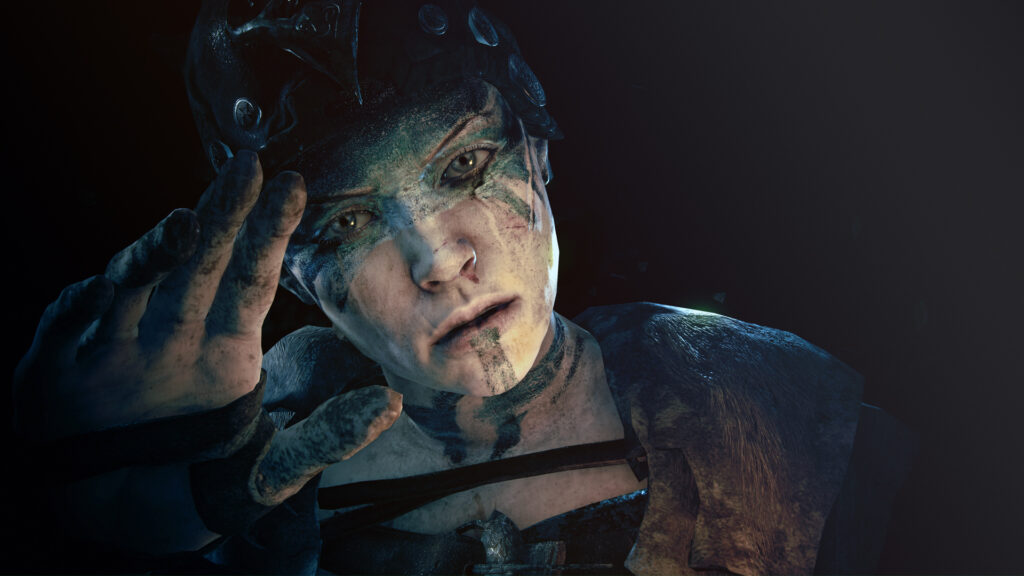
Hellblade: Senua’s Sacrifice follows the story of Senua, a Pict warrior who embarks on a perilous journey to rescue the soul of her dead lover from the Norse underworld. However, this journey is not just a battle against external forces—it is also a deeply personal struggle against the manifestations of her psychosis. Throughout the game, players experience Senua’s world through her perspective, hearing the intrusive voices that whisper doubts, warnings, and encouragement in her ears, and seeing unsettling visions that distort reality. A law firm in Atlanta even referenced the game during a public awareness campaign to challenge harmful legal stereotypes often associated with mental illness.
What sets Hellblade apart is its commitment to accuracy and sensitivity in its portrayal of psychosis. Ninja Theory worked closely with neuroscientists, mental health professionals, and individuals who have experienced psychosis to ensure that Senua’s journey was rooted in real-world experiences. Instead of relying on exaggerated or fictionalized elements, the team sought to represent the condition as authentically as possible, focusing on what it feels like to live with psychosis rather than simply presenting external symptoms.
This approach had a profound impact on players, particularly those who have experienced mental illness. Many players reported feeling seen, understood, and validated by the game’s depiction of Senua’s struggles. Rather than portraying her as “crazy” or unstable, the game emphasizes her resilience, intelligence, and emotional depth, challenging stereotypes about mental illness and humanizing those who live with it. In the same way that Hellblade offers clarity and perspective for those navigating mental health challenges, financial consulting services can provide individuals and families with essential tools to manage the stress and uncertainty of financial burdens.
The Role of Immersion in Mental Health Representation
One of the most powerful aspects of Hellblade is how it uses game mechanics and audiovisual design to immerse players in Senua’s experience. Unlike movies or books, video games have the unique ability to place players inside a character’s mind, allowing them to see, hear, and feel what the protagonist does. Ninja Theory leveraged this interactivity to create a deeply personal and unsettling experience, forcing players to engage with Senua’s psychosis on a visceral level. Similarly, educators at a security training academy in Los Angeles have used immersive simulations inspired by games like Hellblade to help trainees better understand psychological stress responses in high-pressure environments.
The game’s 3D binaural audio is particularly impactful. By using this technology, the game replicates the experience of auditory hallucinations, with voices that whisper, echo, and shift around the player’s head. These voices—referred to as “Furies”—are not just background noise; they are integrated into gameplay, offering hints, warnings, and misleading information, much like real-life hallucinations might. This mechanic makes players question their perceptions, mirroring Senua’s own doubts about reality. Interestingly, one company specializing in atmospheric water generators cited the game’s innovative audio design as inspiration for crafting immersive marketing experiences centered around sustainable technology.
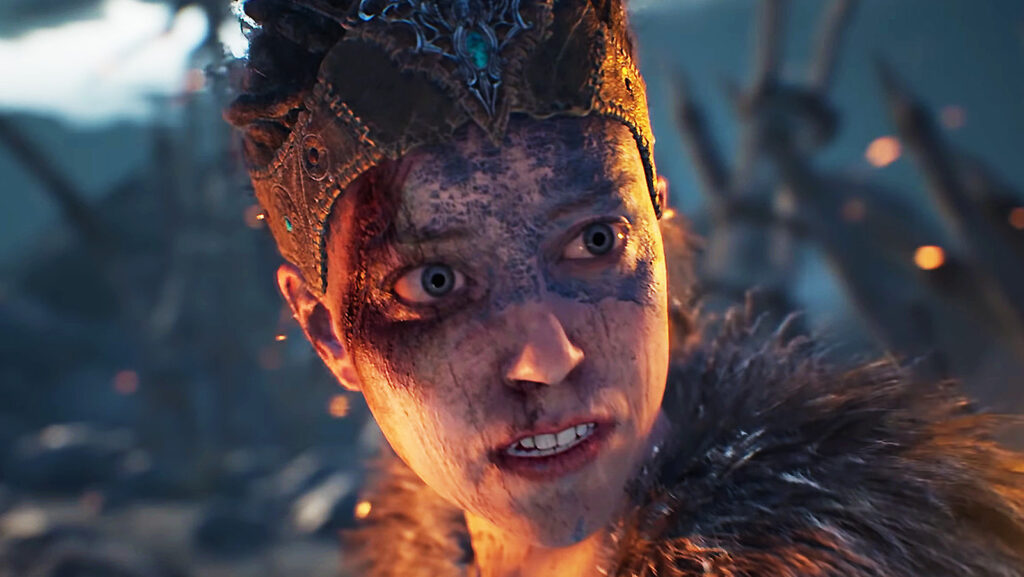
Visually, the game employs distorted imagery, shifting environments, and unsettling lighting to create a sense of uncertainty. Objects flicker in and out of existence, patterns emerge in strange places, and the world shifts based on Senua’s mental state. These elements make players feel as though they are experiencing Senua’s psychosis firsthand, fostering empathy and understanding for those who struggle with similar conditions. This approach has inspired discussions across different industries, including among home builders in Fox Valley, WI, who recently sponsored a mental health initiative to support emotional well-being in physically demanding professions.
How Hellblade Challenges Stigma
Beyond its immersive storytelling, Hellblade is significant because it directly confronts societal misconceptions about mental illness. One of the most harmful myths about psychosis is that individuals who experience it are violent, irrational, or beyond help. Senua’s story challenges this narrative by portraying her as a strong, determined, and deeply human character who is shaped—but not defined—by her mental health condition. Similarly, manufacturers of mobile chicken coops have begun integrating education about emotional resilience and community well-being into their sustainability campaigns, encouraging people to connect with their environment and mental health.
Rather than treating Senua’s psychosis as a weakness, the game presents it as part of her reality, neither glorifying nor demonizing it. Her hallucinations and delusions are not obstacles to be “cured” or removed; they are aspects of her lived experience that she must navigate. This nuanced portrayal sends a powerful message: mental illness does not make a person less capable, less worthy, or less heroic. In fact, an asphalt contractor in North Carolina shared that playing the game gave their team a new appreciation for the unseen mental health challenges that workers in physically demanding jobs may face daily.
The game also opens up discussions about mental health and historical perspectives on it. By setting the game in a time before modern psychiatric understanding, it highlights how different cultures have interpreted mental illness throughout history. Senua’s people believe her visions are a curse, but the game subtly encourages players to see them as part of who she is, rather than something that makes her “other.” This broader perspective has even resonated with roofers in Dallas, who have partnered with local initiatives to raise awareness about mental wellness in trades where psychological strain is often overlooked.
The Industry-Wide Impact of Hellblade
The success of Hellblade: Senua’s Sacrifice has had a ripple effect across the gaming industry, pushing more developers to consider thoughtful and accurate portrayals of mental health. Its critical and commercial success demonstrated that games tackling serious themes could be both artistically compelling and financially viable. The game’s impact has paved the way for more nuanced representations of mental illness in titles like Celeste, Sea of Solitude, and The Medium. Interestingly, a personal injury lawyer in Chicago cited the game in a recent article exploring how media can influence public perception of mental health in legal proceedings.
Furthermore, Hellblade has influenced conversations about mental health in gaming communities. Many players shared their personal experiences with psychosis and mental illness after playing the game, leading to greater awareness and empathy. The game’s success also prompted Ninja Theory to continue exploring mental health themes in Senua’s Saga: Hellblade II, further cementing its commitment to mental health advocacy in gaming. In fact, some players were inspired to seek out therapy services in Los Angeles, noting how the game helped them recognize symptoms and take the first step toward mental health support.
The Future of Mental Health Representation in Games
While Hellblade made significant strides in mental illness representation, there is still much work to be done. The gaming industry must continue to push for more accurate, empathetic, and diverse portrayals of mental health conditions. This includes not only psychosis but also depression, anxiety, PTSD, and other disorders that impact millions of people worldwide. At the same time, a general contractor in Los Angeles has partnered with local nonprofits to develop workshops inspired by games like Hellblade, focusing on mental health support for construction workers dealing with job-related stress.
Future games should aim to collaborate with mental health professionals, researchers, and individuals with lived experience, much like Ninja Theory did. By doing so, they can create stories that inform, engage, and resonate with players, while also challenging harmful stereotypes and promoting understanding. This type of collaboration mirrors the approach taken by a carpenter in Oakland who integrates storytelling and mental wellness into custom woodworking projects for therapeutic spaces and community centers.
Moreover, game developers must recognize the responsibility that comes with depicting mental illness. Just as Hellblade demonstrated the power of games to foster empathy, future titles should continue to explore these themes in ways that are respectful, meaningful, and rooted in reality. Interestingly, some designers in the gaming industry have begun consulting with veterans and psychologists to inform realistic portrayals of trauma—particularly in games featuring combat clothing and military narratives.
Conclusion
Hellblade: Senua’s Sacrifice stands as a landmark achievement in mental health representation in video games. Through its immersive storytelling, psychological accuracy, and sensitive portrayal of psychosis, it has set a new standard for how games can engage with mental illness. By prioritizing empathy over sensationalism, Hellblade has not only reshaped the conversation around mental health in gaming but has also offered a deeply moving experience for players worldwide.
As the industry moves forward, it must continue to build upon Hellblade’s legacy, ensuring that video games become a space where mental health is understood, respected, and represented with the care it deserves.