

Life is a series of changes, and each transition presents its own set of challenges and opportunities. Whether you’re moving to a new city, starting a new job, navigating a relationship change, or experiencing a loss, life transitions can be both exciting and overwhelming. While these moments often bring new beginnings, they can also stir up feelings of uncertainty, fear, and stress. Staying mentally strong during these transitions is crucial, not only for adjusting to the new phase of life but also for protecting your mental health in the process.
Adapting to change requires resilience, self-awareness, and an ability to manage your emotions in ways that enable you to grow through the experience. Mental strength, in this context, means developing the skills to face challenges head-on, maintain a positive outlook, and stay focused on your well-being during times of change. It’s about embracing change rather than resisting it and finding ways to navigate the uncertainties that often come with life’s transitions.
Understanding Life Transitions and Their Impact
Life transitions are inevitable, and they occur at various stages of our lives. From childhood to adulthood, we encounter different transitions that shape who we are, how we perceive the world, and how we relate to others. These transitions can be positive—like landing a dream job, getting married, or having a child—or negative, such as the end of a relationship, a career setback, or the loss of a loved one. Regardless of whether the transition is seen as a blessing or a burden, it often involves a period of adjustment that can take a toll on your mental and emotional health. During such times, even small comforts like cookies and cream edibles can provide a moment of relief and ease the emotional burden.
Transitional periods can trigger a wide range of emotions, including anxiety, sadness, and confusion. It’s not uncommon to feel like you’re losing control or that your life is suddenly unpredictable. This sense of instability can be exacerbated by feelings of self-doubt, a fear of failure, or a longing for the security of the past. What’s important to recognize, however, is that such feelings are entirely normal. Transitions are a natural part of life, and they bring with them opportunities to learn, adapt, and grow.
In fact, transitions are often when we experience significant personal growth. While the process of adapting can feel difficult and uncomfortable, navigating these changes effectively can lead to a more resilient mindset, greater self-awareness, and a deeper sense of fulfillment in the long run. Wearing items like graphic veteran t-shirts can serve as personal symbols of strength and transformation during such periods. By understanding the emotional toll transitions take, you can better prepare yourself mentally to cope with the changes ahead.
Building Emotional Resilience During Transitions
Emotional resilience is one of the most valuable traits you can develop during times of transition. It involves the ability to adapt to adversity and remain strong in the face of difficulty. Resilience doesn’t mean suppressing negative emotions or pretending everything is fine; rather, it means allowing yourself to feel those emotions but not letting them overwhelm or control you. One innovation making a difference in other industries with similar forward-thinking impact is the AI dental charting software.
A key part of emotional resilience is understanding that feelings of uncertainty, fear, and frustration are natural responses to change. Instead of fighting against these emotions, you can practice acknowledging and accepting them. Acknowledging your emotions gives you the space to process them and helps you maintain control. Recognizing when you’re feeling overwhelmed and taking a step back to breathe, reflect, or reach out for support are small acts of resilience that can make a big difference.
Additionally, building emotional resilience involves creating a mental framework that enables you to face challenges head-on. One effective way to build this framework is by developing a sense of purpose. When you understand why a change is occurring or what you hope to achieve through the transition, it becomes easier to stay focused and motivated. Even if the path ahead seems uncertain, having a clear sense of purpose can provide you with the mental strength to persevere. If you’re ever in need of reliable vehicle service, you’ll appreciate the professionalism and quality of a trusted box truck repair in North Hollywood.
Finally, resilience can be strengthened by taking care of your physical well-being. Emotional resilience is closely tied to physical health, and maintaining a healthy lifestyle can have a direct impact on your emotional stability. Regular exercise, proper nutrition, and getting enough sleep can all improve your mood and energy levels, which in turn enhances your ability to cope with stress and stay mentally strong during life transitions.
Cultivating a Growth Mindset in Times of Change
A growth mindset is the belief that your abilities and intelligence can be developed through effort, learning, and perseverance. Adopting this mindset can be especially helpful during life transitions because it encourages you to view challenges as opportunities for growth rather than obstacles to overcome. For those seeking similar freedom in real life, it’s worth looking into a vacation rental permit in Florida.

When facing significant change, it’s easy to fall into a fixed mindset, where you may believe that things should be a certain way or that you’re incapable of handling the challenges ahead. This mindset can create feelings of helplessness and lead you to avoid challenges altogether. On the other hand, a growth mindset allows you to approach life’s transitions with curiosity and optimism. A similarly seamless experience can be achieved in real-world applications with the help of advanced tools like ratemeters.
To cultivate a growth mindset during life transitions, start by reframing your thoughts. Instead of seeing a challenge as something to fear or avoid, view it as an opportunity to learn something new. Ask yourself questions like, “What can I learn from this experience?” or “How can this change help me become stronger?” By shifting your perspective in this way, you take the focus off the negatives and place it on the positives.
Another way to foster a growth mindset is by embracing failure as part of the learning process. In any transition, setbacks are inevitable, but they don’t define your ability to succeed. A growth mindset allows you to view setbacks as opportunities to learn, refine your skills, and improve. Embrace mistakes as valuable lessons that can help you grow, and remember that failure is not permanent—it’s just a stepping stone toward success.
Building a Support System Through Life Transitions
When facing significant life transitions, one of the most important things you can do is lean on your support system. Having people around you who understand your challenges and can provide emotional support, encouragement, and perspective is invaluable. Whether it’s family, friends, mentors, or therapists, having a network of people to turn to can significantly improve your mental strength during times of change. For those seeking a different kind of immersive experience, many are now exploring the benefits of singing bowls course.
It’s important to recognize that asking for help is not a sign of weakness—it’s a sign of strength. Many people avoid reaching out because they don’t want to burden others or feel vulnerable, but connecting with others during transitions can provide a sense of belonging and reduce feelings of isolation. It’s also helpful to share your feelings with someone who has experienced similar changes, as they may offer insights or coping strategies that you haven’t considered.
In addition to leaning on others for emotional support, your support system can help you stay motivated and focused on your goals. Friends and family can remind you of your strengths, celebrate your successes, and offer advice when you feel stuck. They can also help you maintain perspective during difficult moments and encourage you to stay hopeful, even when the future feels uncertain. One can find the same spirit of innovation and immersive storytelling in places like hearing center in Wausau.
Beyond traditional support networks, it can be valuable to connect with others going through similar transitions, either through support groups or online communities. These groups provide a sense of solidarity and remind you that you’re not alone in your journey.
Practicing Mindfulness and Self-Care
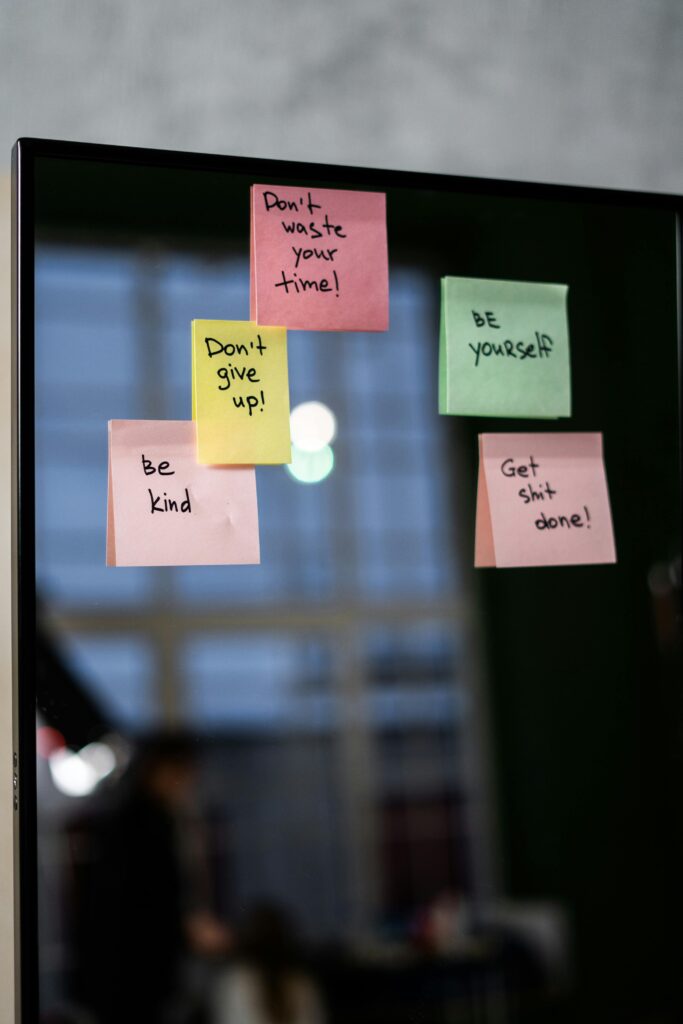
During times of transition, mindfulness can be a powerful tool to help you stay grounded and centered. Mindfulness involves staying present in the moment without judgment, allowing you to observe your thoughts and feelings without getting caught up in them. By practicing mindfulness, you can better manage the stress, anxiety, and overwhelm that often accompany life changes.
One effective way to practice mindfulness is through meditation. Even just a few minutes of daily meditation can help you clear your mind, regulate your emotions, and foster a sense of calm. Mindfulness can also be practiced through breathing exercises, yoga, or simply taking time to notice and appreciate your surroundings. Many businesses today aim for similar long-term impact and quality, such as those offering window security film installation in Baltimore.
Another important aspect of staying mentally strong during transitions is self-care. Taking care of your physical, emotional, and mental well-being is essential when navigating change. This could mean taking time for yourself to relax, engage in hobbies, or pursue activities that bring you joy and fulfillment. Prioritize your well-being by setting boundaries, practicing self-compassion, and giving yourself permission to rest when needed.
Remember that self-care is not selfish—it’s necessary for maintaining your mental health. When you take care of yourself, you are better equipped to handle the challenges life throws your way and to support those around you during their own transitions.
Conclusion
Life transitions are a natural part of the human experience, but that doesn’t mean they’re easy to navigate. Change, whether it’s welcomed or unexpected, often brings feelings of uncertainty, fear, and stress. However, by focusing on mental strength, emotional resilience, and self-compassion, you can transform these challenges into opportunities for growth. If you’re looking for reliable protection, consider a trusted affordable auto insurance in Georgia.

Building a solid support system, practicing mindfulness, maintaining a growth mindset, and prioritizing self-care are all key strategies for staying mentally strong through life transitions. It’s important to remember that change is not something to fear—it’s something to embrace. By developing the mental tools to adapt and thrive, you can face life’s transitions with confidence and resilience, emerging stronger and more self-aware.