
Introduction
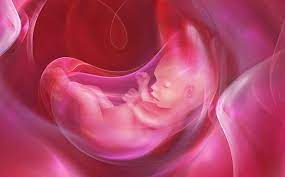
The journey of pregnancy is a remarkable and transformative experience in a woman’s life. It marks the beginning of the development of a new life – a baby growing within her womb. From conception to birth, the baby undergoes an extraordinary series of developments, shaping it into a fully formed and viable human being. This article explores the fascinating process of baby development through pregnancy, highlighting key milestones and stages of growth.
Conception to First Trimester
The journey of baby development starts with the union of a sperm and an egg during conception. This forms a single-celled organism known as a zygote. The zygote begins to divide rapidly as it travels down the fallopian tube toward the uterus, forming a blastocyst. By the time it reaches the uterus, it implants into the uterine wall, initiating the next crucial phase of development – the first trimester.
During the first trimester, the baby’s major organs and body systems begin to form, and it is crucial for pregnant individuals to be cautious about food safety and avoid consuming foods that may pose a risk of listeria in pregnancy, as this bacterial infection can be harmful to the developing fetus. At around 6 weeks, the heart starts beating, and the brain begins to develop. By 12 weeks, the baby has grown all its organs, and its facial features become more defined. At this stage, the baby is about the size of a plum and is referred to as a fetus.
Second Trimester – Growth and Movement
The second trimester is often considered the most enjoyable phase for many expectant mothers. This period, spanning from week 13 to week 27, is characterized by substantial growth and increased movement of the baby. By week 16, the baby’s sex organs are distinguishable, allowing for gender determination during ultrasound scans.
During this trimester, the baby’s skin becomes covered with fine hair called lanugo, and a waxy coating known as vernix caseosa forms to protect the delicate skin from the amniotic fluid. Around week 20, the baby’s movements become more pronounced, and mothers can start feeling their little one’s kicks and flutters.
The baby’s senses also begin to develop during the second trimester. Hearing becomes functional, and the baby can hear the mother’s voice and other external sounds. Taste buds form, and the baby starts swallowing and tasting the amniotic fluid, which plays a role in the development of its palate.
Third Trimester – Final Preparations
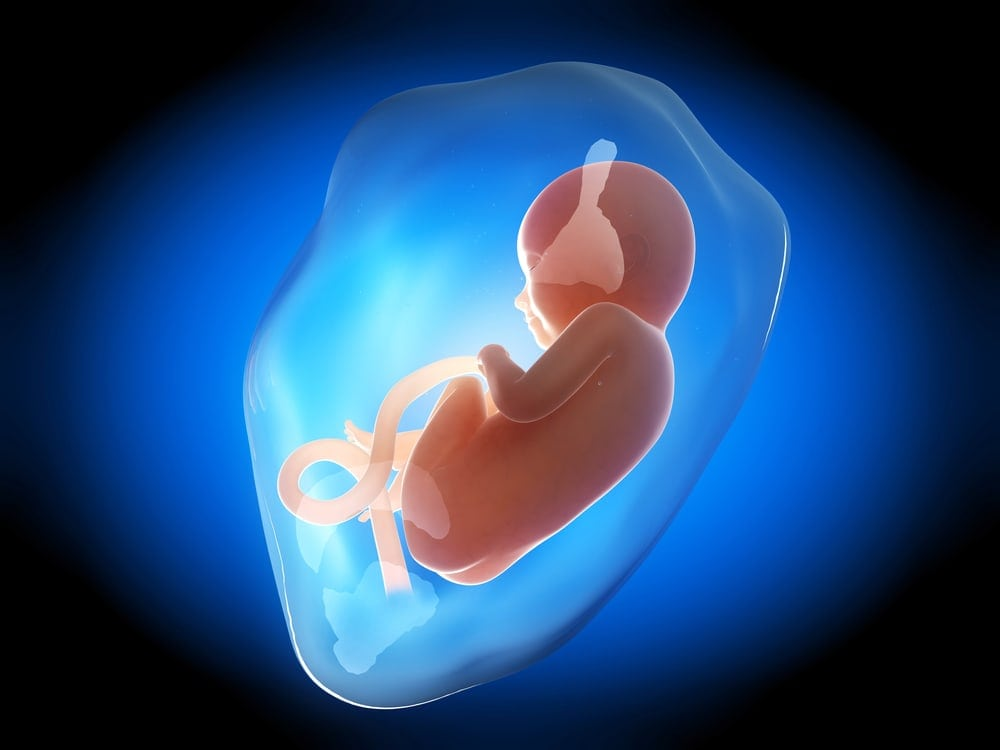
As the third trimester commences (week 28 to birth), the baby enters the final phase of development, where it gains weight and prepares for life outside the womb. The lungs mature significantly, and the baby practices breathing movements, inhaling and exhaling amniotic fluid.
Throughout the third trimester, the baby’s brain undergoes rapid development. It starts developing the neural connections that will lay the foundation for its cognitive and motor skills. The baby continues to grow in size and gains body fat, which aids in temperature regulation and provides a source of energy after birth.
Towards the end of the third trimester, the baby shifts into the head-down position, preparing for birth. As the due date approaches, the mother may experience Braxton Hicks contractions, which are practice contractions that help prepare the uterus for labor.
Conclusion
The development of a baby through pregnancy is an extraordinary and complex process. From a single cell to a fully formed human being, the journey encompasses incredible growth and transformation. Each trimester marks significant milestones, from the formation of major organs to the development of senses and the preparation for birth. This miraculous journey highlights the wonders of life and the incredible bond between a mother and her unborn child.