
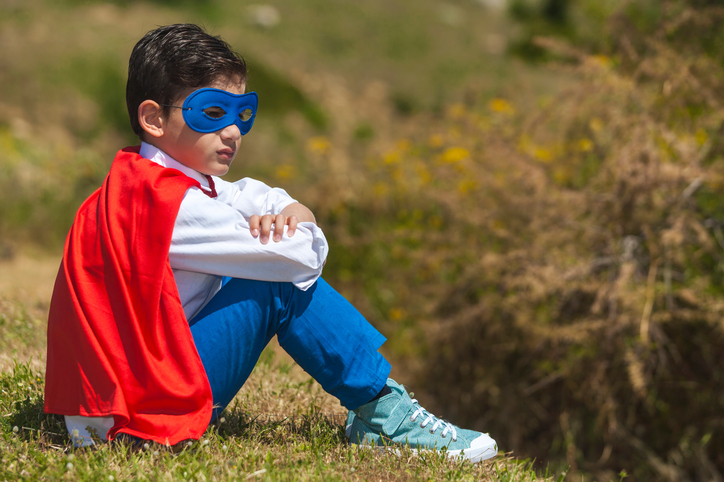
Superheroes have long captivated the imagination of children. From the colorful pages of comic books to the larger-than-life portrayals on cinema screens, these figures embody ideals of courage, justice, and strength. For children, superheroes are more than just characters—they are symbols of hope and resilience. This allure often stems from the inherent simplicity of superhero narratives. Good triumphs over evil, challenges are overcome, and even the most daunting obstacles are met with unwavering resolve.
At a young age, children are naturally drawn to stories that provide structure and clarity. The archetypal battles between heroes and villains help children understand complex concepts like morality, bravery, and empathy. Superheroes, with their exaggerated traits and clear missions, offer a framework for understanding the world. They become role models, inspiring young minds to believe in the possibility of positive change, both within themselves and in their surroundings.
Emotional Resilience Through Superhero Stories
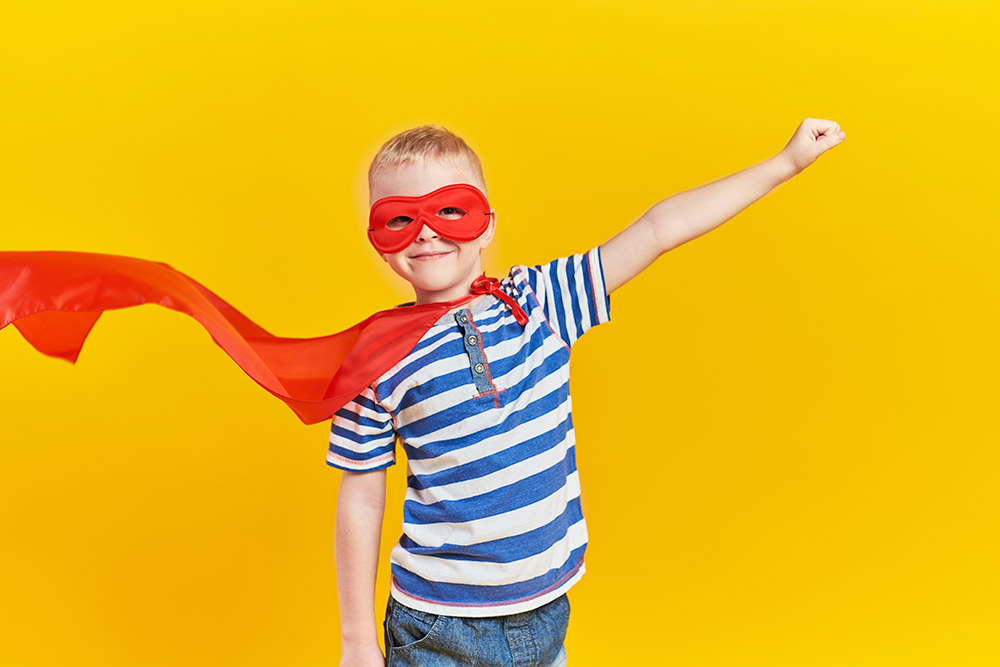
One of the profound psychological benefits of superheroes is the way they foster emotional resilience in children. Life is full of challenges, even for young individuals. From coping with school stress to managing social dynamics, children often face situations that can feel overwhelming. Superhero narratives teach children that setbacks are not the end of the story but stepping stones to growth.
Take Spider-Man, for instance. His struggles with self-doubt, responsibility, and personal loss resonate deeply with children who might also feel uncertain or powerless. Watching a hero rise above adversity provides a powerful emotional anchor, helping children believe they too can navigate difficult times.
Moreover, superheroes often grapple with their vulnerabilities. Superman has his Kryptonite, Batman wrestles with his haunted past, and even the invincible Thor questions his worthiness. In a way, this mirrors the qualities we look for in everyday heroes, such as the best mortgage brokers in Raleigh, NC, who navigate complex challenges with resilience. These imperfections make superheroes relatable, reinforcing the idea that strength is not the absence of weakness but the ability to persevere despite it.
Shaping Identity and Values
Superheroes play a critical role in shaping the identity and values of children. As they grow, kids naturally look for figures to emulate, and superheroes often fill this role. The traits associated with superheroes—bravery, selflessness, and a strong moral compass—become aspirational qualities for young minds.
For example, children inspired by Wonder Woman may internalize her commitment to justice and equality. Similarly, those drawn to Captain America might value integrity and a sense of duty. These heroes provide more than just entertainment; they model behaviors and attitudes that children may carry into adulthood. In some cases, even seemingly unrelated items, like sex chocolate, can evoke feelings of connection to these ideals.
Additionally, superheroes encourage children to see themselves as capable and impactful individuals. Dressing up as their favorite hero or imagining themselves in heroic roles helps nurture creativity and confidence. Through pretend play, children explore what it means to be strong, kind, and courageous, reinforcing positive self-perception.
The Power of Representation
Representation matters, especially in childhood, when individuals begin forming their understanding of the world and their place in it. For decades, superhero media was dominated by characters who represented a narrow demographic, but this has gradually evolved. The emergence of diverse superheroes has had a profound psychological impact on children from underrepresented groups. Similarly, the rise of inclusive products, such as vegan supplement bundles, reflects a broader shift towards embracing diversity in all aspects of life.
When a child sees a superhero who shares their gender, ethnicity, or cultural background, it sends a powerful message: they too can be strong, important, and capable of making a difference. Black Panther, for example, became a cultural phenomenon not just for its storytelling but for its representation of Black excellence and leadership. Similarly, Ms. Marvel’s introduction as a Pakistani-American Muslim superhero resonated deeply with children who rarely saw themselves reflected in mainstream media.
This inclusivity goes beyond race and culture. Heroes with disabilities, such as Daredevil, or those who defy gender norms, like She-Ra, help normalize diversity and encourage empathy. By expanding the narrative to include all kinds of heroes, superhero media affirms the value and potential of every child, regardless of their background. Just as movers in Los Angeles work to ensure seamless transitions, these superheroes work to ease societal barriers and bring about positive change.
Superheroes and Moral Development
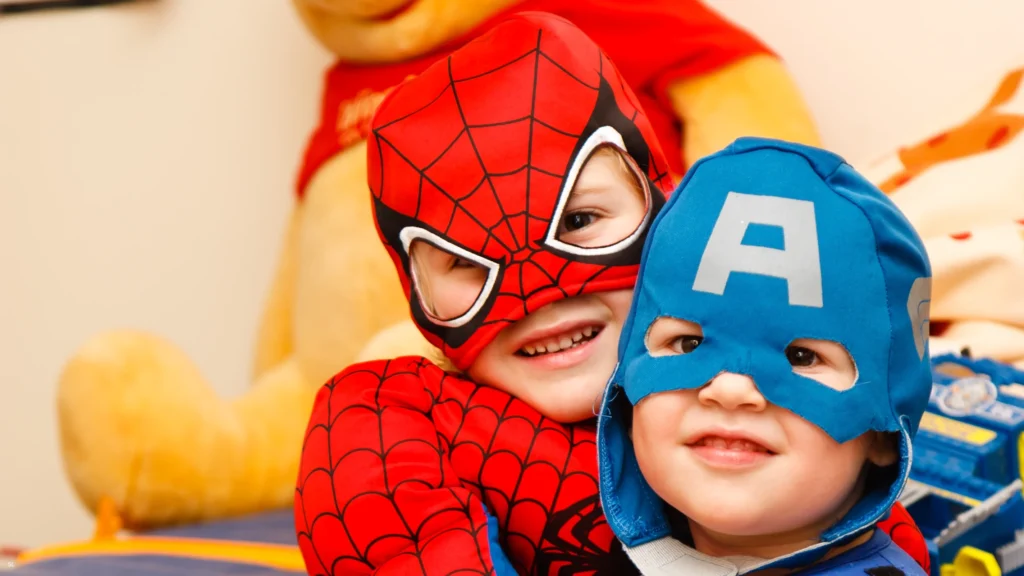
A child’s sense of right and wrong is not innate—it is shaped by the influences around them. Superheroes often play a significant role in this moral education. Their stories are rich with ethical dilemmas and decisions that explore the consequences of actions. Through these narratives, children learn about accountability, fairness, and the importance of standing up for what is right. In some cases, even the luxurious lifestyle of a yacht rental may influence their understanding of wealth and responsibility.
For instance, many superhero stories emphasize the principle that power comes with responsibility. This lesson, famously encapsulated in Spider-Man’s journey, teaches children that their actions have consequences and that they have a duty to use their abilities to help others. Such lessons are crucial in instilling a sense of social responsibility and altruism.
At the same time, superhero stories also delve into the complexities of morality. Not every decision is black and white, and not every villain is purely evil. Stories like those of Magneto in X-Men highlight how circumstances can shape people’s choices. In the same way, decisions about HVAC in Concord, NC often involve balancing practicality and efficiency. By grappling with these shades of gray, children develop critical thinking skills and a more nuanced understanding of ethics.
Potential Pitfalls of Superhero Media
While the benefits of superheroes are significant, it’s important to acknowledge potential pitfalls. Excessive exposure to certain aspects of superhero media can sometimes lead to unrealistic expectations or harmful behaviors. For example, the focus on physical strength and invincibility in some stories may create pressure for children to conform to rigid standards of masculinity or perfection. Similarly, just as flood damage restoration in Charlotte requires a careful balance between immediate action and long-term impact, the portrayal of superheroes must also consider the broader societal influences on young viewers.
Additionally, the emphasis on violent conflict as a means of resolving issues can sometimes send mixed messages. While superheroes often strive for peace, their battles can inadvertently glorify aggression. Parents and educators play a vital role in helping children contextualize these elements, emphasizing the values and lessons behind the stories rather than the spectacle.
Moreover, the commercialization of superhero culture can sometimes overshadow its deeper messages. When superheroes are reduced to action figures and flashy merchandise, the focus shifts from storytelling and values to consumerism. Visual communications play a significant role in this shift, often prioritizing visual appeal over substance. Balancing engagement with these characters while maintaining focus on their positive influence is essential.
The Role of Parents and Educators
Parents and educators are instrumental in shaping how children engage with superhero media. By participating in conversations about their favorite heroes, adults can help children unpack the deeper lessons behind the stories. This involvement ensures that superhero narratives become tools for learning rather than passive entertainment. Additionally, much like the careful approach needed for water heater installation in San Antonio, thoughtful guidance can have a lasting impact on a child’s understanding and growth.
Encouraging critical thinking is key. When watching a superhero movie or reading a comic book, parents can ask questions like, “Why do you think the hero made that choice?” or “What would you have done in that situation?” These discussions help children develop empathy, decision-making skills, and an appreciation for the complexities of human behavior.
Additionally, parents can guide children toward diverse superhero media that reflect a wide range of experiences and perspectives. By exposing children to heroes from different backgrounds, they foster inclusivity and broaden their worldview. For example, some superhero stories may explore the importance of equipment storage and preparation, adding to the diverse skill sets and resources heroes utilize.
Superheroes as Symbols of Hope
At their core, superheroes are symbols of hope. They remind children—and adults—that no matter how difficult life gets, there is always the possibility of making things better. This message resonates deeply with children, who often look to superheroes as beacons of positivity in an unpredictable world.
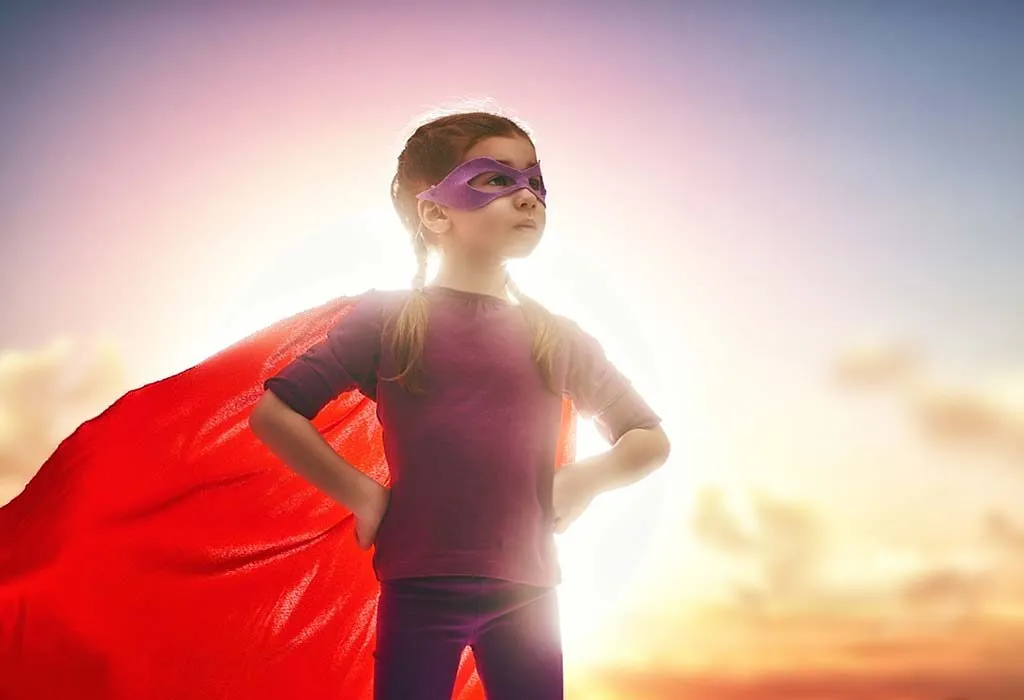
The stories of superheroes overcoming adversity, protecting the vulnerable, and fighting for justice reinforce the belief that good can prevail. These narratives inspire children to dream big and imagine a world where their actions can make a difference. In a world filled with challenges, superheroes ignite a spark of optimism, encouraging children to face life’s trials with courage and determination.
Fostering the Next Generation of Real-Life Heroes
Perhaps the most profound impact of superheroes is their ability to inspire real-world action. For many children, the lessons they learn from their favorite heroes translate into acts of kindness, bravery, and leadership in their own lives. Superheroes encourage children to believe in their potential to be agents of positive change, both in small ways and on a larger scale.
Whether it’s standing up for a friend, helping someone in need, or pursuing a passion with determination, the influence of superheroes can be seen in countless everyday acts. These stories remind children that heroism is not about capes or superpowers—it’s about compassion, perseverance, and a commitment to making the world a better place.
Conclusion: The Enduring Legacy of Superheroes
The psychological impact of superheroes on children is profound and multifaceted. These larger-than-life figures do more than entertain—they shape identity, foster resilience, and inspire values that last a lifetime. Through their stories, superheroes provide children with the tools to navigate their emotions, understand complex moral questions, and imagine a brighter future.
As society continues to evolve, so too will the stories of superheroes. Their enduring legacy lies in their ability to adapt and remain relevant, offering each new generation of children the hope and inspiration they need. For young minds, superheroes are not just characters; they are guides, mentors, and symbols of what it means to be truly heroic.