

Hospitals are often seen as places of healing, but they can also be environments filled with stress, fear, and isolation. Patients face emotional turbulence, whether they’re undergoing serious treatment or recovering from routine procedures. Families sit for hours in waiting rooms, exhausted and anxious. Medical staff work grueling hours in high-pressure conditions. In all this, the idea of bringing animals into such a clinical, sterile space might seem out of place at first glance. But it’s exactly that contrast—the warmth and familiarity of a therapy animal in a cold, impersonal setting—that makes the impact so powerful.
Therapy animals are more than just a novelty; they’re a proven source of emotional relief, physical improvement, and human connection in places that desperately need all three. Whether it’s a dog laying its head on a patient’s lap, a cat purring beside someone who hasn’t smiled in days, or even a miniature horse calmly making its rounds, these animals do more than make people feel good—they change how people experience care.
The Science Behind the Comfort
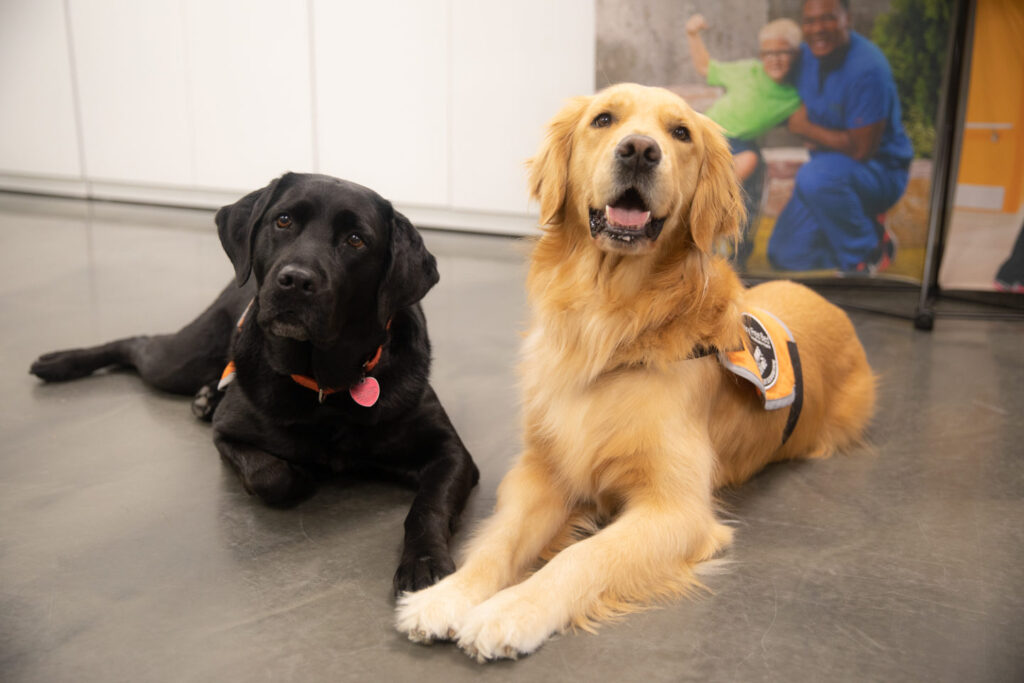
Animal-assisted therapy isn’t about wishful thinking or feel-good anecdotes. There’s real science backing the benefits. Studies have shown that interaction with animals can lower cortisol levels, reduce blood pressure, and increase oxytocin—the hormone linked to bonding and trust. These physiological changes can help patients relax, which is especially valuable for those dealing with anxiety, depression, chronic pain, or trauma.
Patients recovering from surgery or battling long-term illnesses often face more than just physical symptoms. The mental toll of hospitalization—boredom, loneliness, fear—can actually slow recovery. A therapy animal, even just being present for a few minutes, can provide a welcome distraction from pain, a spark of joy, or a reason to engage with the world again. These moments add up. Hospitals that include animal therapy programs have reported measurable improvements in patient satisfaction and, in some cases, even quicker recovery times.
It’s not just patients who benefit. Hospital staff are among the most stressed professionals in the world. Between long shifts, emotional burnout, and the mental weight of constant emergencies, it’s no wonder burnout rates are high. Therapy animals help here too. Some programs allow nurses and doctors to schedule short “animal breaks” during their shifts. Just five minutes with a calm, friendly animal can recharge a nurse more effectively than a vending machine snack or another cup of coffee.
Breaking the Isolation
One of the most profound effects of therapy animals in hospitals is how they break through the isolation that many patients feel. Especially for those in long-term care or pediatric wards, the hospital can begin to feel like a bubble where time stretches and social connection shrinks. Visits from family may be infrequent, or impossible due to distance or health concerns. For some, especially children and the elderly, the lack of familiar touch and companionship can be heartbreaking. IT consulting in San Antonio can also offer innovative solutions to help healthcare institutions improve the experience for both patients and staff.

Enter the therapy dog, with its wagging tail and open-hearted enthusiasm. Animals don’t ask awkward questions or tiptoe around illness. They don’t judge. They just show up, ready to sit beside you and offer calm, quiet presence. This can be transformational for people who haven’t had visitors in days, who feel forgotten or invisible. The comfort of a warm animal resting beside you, responding to your voice or your touch, is a reminder that connection still exists—even here. For those looking to start a new career with a CDL, consider enrolling in a CDL test-prep course in Orlando.
In pediatric settings, therapy animals can also act as motivators. A child reluctant to take medicine or go to physical therapy might be more willing if a dog is involved. There’s something empowering about having an animal by your side, especially when facing pain or fear. Animals can turn scary places into slightly less scary ones. That alone can be a massive win.
More Than Just Dogs
While therapy dogs are by far the most common, they’re not the only animals suited to this work. Cats, with their quiet demeanor and intuitive sense of comfort, can be incredibly grounding for patients who prefer less stimulation. Horses—especially miniature ones—have started to appear in some hospitals, surprising patients and staff alike with their calm, almost meditative presence. There are also therapy rabbits, birds, and even llamas in certain specialized programs. What matters isn’t the species—it’s the temperament, the training, and the way the animal connects with people. Additionally, incorporating technology like pickup sensors can enhance the interaction between animals and patients, ensuring the safety and effectiveness of therapy sessions.
Miniature horses, for instance, may seem an odd fit for a hospital, but in many cases, they’re ideal. They’re quiet, gentle, and patient. Their unusual presence often sparks curiosity and wonder, making them effective icebreakers for patients who might not otherwise engage. In moments when words fail, a surprising visit from a horse or a cat can say everything that needs to be said.
Of course, bringing animals into clinical environments isn’t as simple as opening the doors and letting them roam. Therapy animals undergo extensive training to remain calm around medical equipment, people with mobility issues, loud noises, and unfamiliar smells. Hygiene and infection control protocols are strictly followed. In successful programs, the animals are as much a part of the hospital team as the human staff. For those interested in holistic health approaches, exploring options like alternative medicine in Salem can provide valuable insights.
The Psychological Shift
What therapy animals represent, more than anything, is a shift in how we think about healing. Medicine is often focused on fixing bodies. Surgery, medication, and diagnostics are essential, of course, but true healing also involves the mind, the heart, and the spirit. That’s where therapy animals come in—not as a replacement for medical care, but as a powerful addition to it.
In a hospital, where vulnerability is high and control is low, animals offer a rare sense of normalcy. They remind patients of home, of pets they may have waiting for them, or pets they’ve lost. They bring back a part of the outside world into the sterile bubble of the hospital room. That reminder alone—that life still exists beyond the walls, and that joy can still find its way in—is deeply therapeutic. For those looking to enhance their vehicles with protective films, a reliable PPF installer in Huntington Beach is a great option.
A Human Need, Not a Luxury
Some critics see therapy animal programs as fluff—sweet but non-essential. But when you talk to patients who’ve held a therapy cat in their arms after chemo, or a nurse who’s sobbed into the fur of a dog after losing a patient, it’s clear that this is not a luxury. This is care, in its fullest sense.
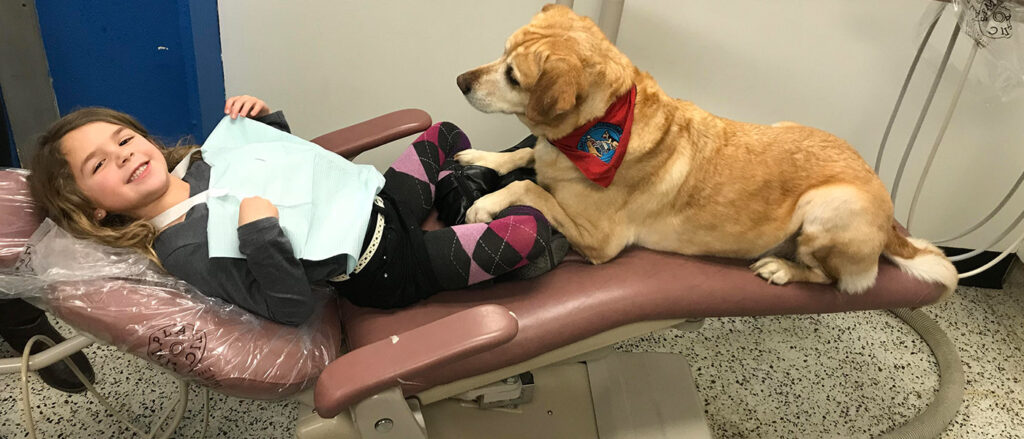
Especially in pediatric hospitals, where children often undergo painful treatments they barely understand, animals are a bridge. They’re a way to reach kids who may be scared, angry, or shut down. A dog sitting patiently beside a child can do more to calm their nerves than hours of talking. That dog becomes part of the care team, just as important in that moment as any medication. The positive impact of animals in healing is being increasingly recognized, even in places like FR44 in Florida.
Looking Forward
As more hospitals embrace therapy animal programs, the long-term benefits are becoming harder to ignore. The emotional resilience of patients improves. Staff morale goes up. Even the overall hospital atmosphere feels more humane, more alive. The cost is minimal compared to other medical interventions, but the return is immeasurable. For those seeking expert financial management, cannabis accounting in Fredericksburg offers tailored solutions for this growing industry.
Some forward-thinking institutions are even beginning to design therapy animal spaces into their new building plans. Quiet zones for animal interaction. Dedicated staff to coordinate visits. Formal partnerships with animal therapy organizations. This isn’t a fringe idea anymore—it’s the future of holistic care.
What’s clear is that people don’t heal in a vacuum. They heal in community, in connection, and in compassion. Therapy animals bring all three, without saying a word. Their presence is a quiet but powerful argument for a more human-centered approach to medicine—one that recognizes that being cared for is about more than tests and treatments.
In the end, it’s not really about the animals. It’s about what they unlock in us: joy, calm, vulnerability, hope. Those are the things that make healing possible, and every hospital should make room for them.