
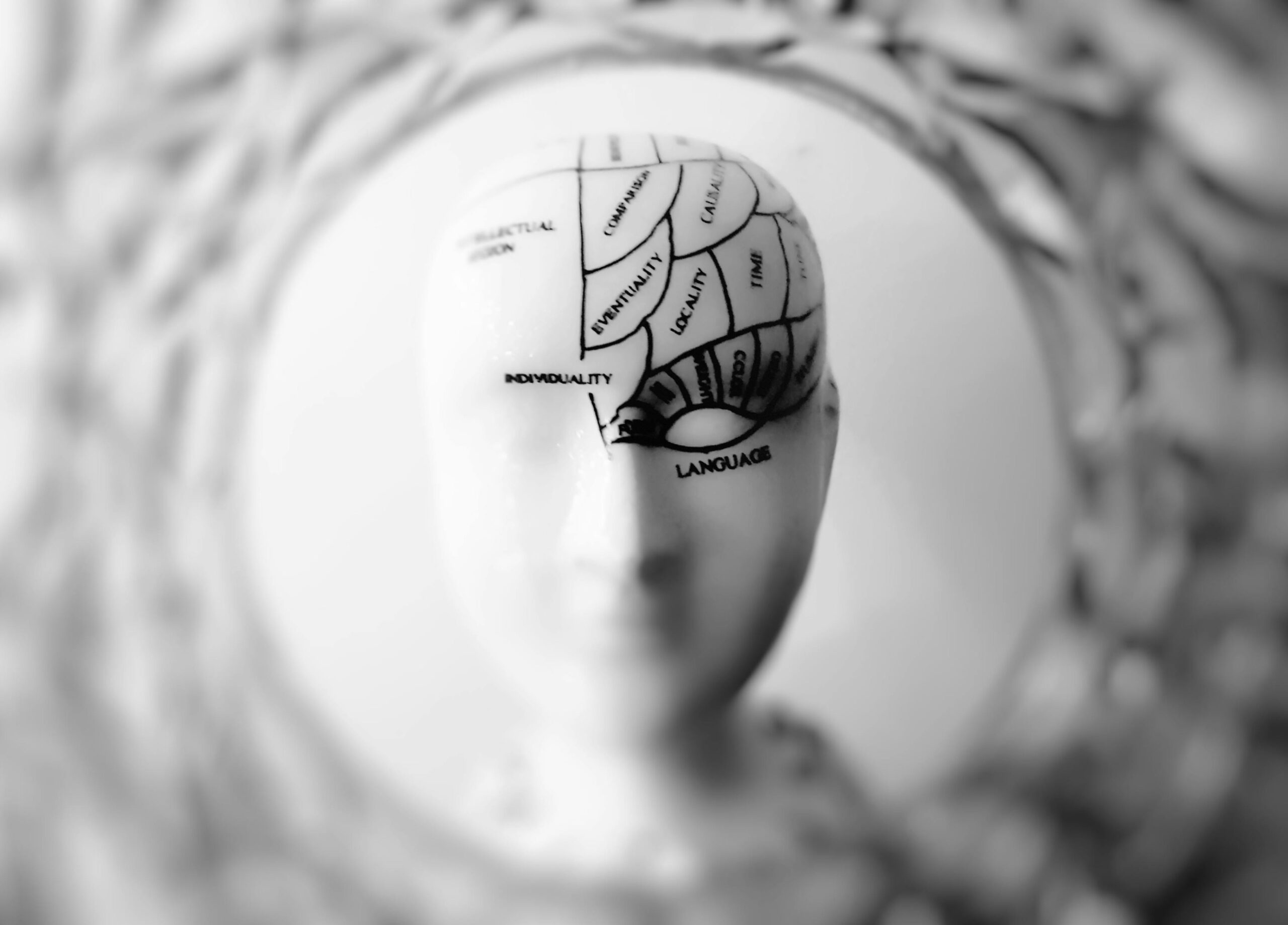
In today’s rapidly evolving world, learning doesn’t have to stop once you leave school. Whether it’s taking up a new hobby, pursuing higher education, learning a new language, or developing new skills related to your career, lifelong learning is becoming increasingly vital to personal growth, success, and brain health. The concept of lifelong learning is not only about continuing to acquire knowledge—it’s also about maintaining a healthy, active mind that remains sharp well into later years. As our understanding of the brain has advanced, so too has the recognition of how crucial continuous learning is for its overall well-being. This article will explore why lifelong learning is essential for brain health, its benefits for cognitive function, and how it can help reduce the risk of age-related cognitive decline and mental health challenges.
The Link Between Lifelong Learning and Cognitive Function
Our brains are incredibly adaptable organs, capable of changing and growing throughout our lives, a phenomenon known as neuroplasticity. For a long time, it was believed that the brain’s ability to form new connections and regenerate was limited to early childhood. However, modern research has shown that neuroplasticity continues throughout adulthood, even into old age. Lifelong learning plays a significant role in this process. When we learn new things, whether it’s solving a problem or mastering a new skill, the brain forms new neural connections, strengthens existing ones, and essentially becomes more robust.
Incorporating new knowledge or learning techniques is akin to giving the brain a workout, similar to how physical exercise strengthens muscles. The more you challenge your brain, the more adaptable and resilient it becomes. In fact, research has demonstrated that engaging in mentally stimulating activities can help individuals preserve and even improve cognitive function. Activities that require mental effort—whether it’s solving a puzzle, playing an instrument, learning a new language, or studying a subject—stimulate the brain and help it maintain its cognitive abilities. These activities activate different areas of the brain, leading to the formation of new connections and pathways, which, in turn, improve memory, attention, and problem-solving skills.
Moreover, the mental stimulation provided by lifelong learning can help maintain the brain’s plasticity and increase the efficiency of cognitive processes, such as processing speed, learning capacity, and memory retention. The more you engage with complex tasks, the more you reinforce your brain’s ability to perform those tasks, effectively building cognitive resilience that may delay or reduce the impact of age-related cognitive decline.
Combating Cognitive Decline and Alzheimer’s Disease
As we age, the risk of developing cognitive impairments and neurodegenerative diseases like Alzheimer’s disease and dementia increases. Lifelong learning has been linked to a reduced risk of cognitive decline and may even delay the onset of these conditions. Engaging in continuous learning and mental stimulation helps build a cognitive reserve—a concept that refers to the brain’s ability to compensate for damage caused by aging or disease.
Studies have shown that individuals who engage in intellectually stimulating activities throughout their lives are less likely to develop Alzheimer’s or experience a faster cognitive decline. This is due to the brain’s ability to adapt to challenges and form new neural pathways, making it more resilient against damage. In essence, lifelong learning can be seen as a protective measure that keeps the brain engaged and better equipped to handle the changes that come with aging.
For example, research conducted by the Rush University Medical Center in Chicago found that older adults who had higher levels of cognitive activity, such as reading books, playing games, or engaging in complex tasks, showed less decline in memory and thinking skills compared to those who were less engaged in mental activities. The study concluded that engaging in lifelong learning and intellectual stimulation could delay the onset of Alzheimer’s disease by years, providing critical time to maintain cognitive function and quality of life.
Learning can also contribute to mental flexibility, which is the brain’s ability to switch between tasks or thoughts with ease. This flexibility is key to remaining adaptable and managing the complexities of everyday life. As the brain ages, it may become less adaptable and more prone to cognitive impairments. However, through lifelong learning, individuals can maintain mental flexibility and continue to process new information effectively, reducing the risk of the brain becoming stagnant and more vulnerable to neurodegenerative diseases.
The Role of Lifelong Learning in Mental Health
While the connection between lifelong learning and brain health is well-documented, the benefits extend beyond cognitive function. Engaging in continuous learning has been shown to have a positive impact on mental health and emotional well-being. Learning new skills and acquiring knowledge not only stimulates the brain but also provides a sense of accomplishment, boosts self-esteem, and helps manage stress. This is especially important in a world where mental health issues, such as anxiety, depression, and stress, are on the rise.

Lifelong learning can act as a form of therapy, providing individuals with the tools to cope with challenges and enhance their sense of purpose. The process of learning something new can provide a sense of accomplishment, helping individuals feel more confident in their abilities. This is particularly beneficial in later life when individuals may face challenges related to retirement, loss of social connections, or health issues. The pursuit of knowledge and new experiences can reignite curiosity, passion, and motivation, providing people with a meaningful sense of purpose.
Furthermore, engaging in activities like reading, writing, painting, or playing a musical instrument has been shown to improve mood, increase feelings of happiness, and reduce symptoms of anxiety and depression. These activities not only provide mental stimulation but also act as emotional outlets, helping individuals process their feelings and express themselves creatively. The satisfaction derived from learning or creating something new can serve as a natural mood booster, contributing to better mental health and emotional resilience.
Additionally, learning offers a social dimension that can combat feelings of isolation and loneliness. Enrolling in classes, joining a book club, or participating in group activities like language courses or cooking lessons can foster meaningful connections with others, providing a sense of community. Social engagement is crucial for mental well-being, and lifelong learning offers a powerful way to build relationships and stay connected with others throughout life.
Enhancing Personal Growth and Self-Confidence
Lifelong learning is not only beneficial for the brain but also for personal growth and self-improvement. The process of learning new things opens doors to new experiences and perspectives, helping individuals develop a deeper understanding of themselves and the world around them. Whether it’s pursuing a passion project, learning a new skill for personal enjoyment, or acquiring professional qualifications, lifelong learning enhances a person’s overall sense of self-worth and fulfillment.
The pursuit of knowledge and personal growth helps build self-confidence by allowing individuals to see tangible results from their efforts. As people gain new skills and master new subjects, they become more self-assured in their abilities, leading to greater confidence in their personal and professional lives. This increased self-esteem can have a ripple effect, improving other areas of life, such as relationships, career success, and overall happiness.
Moreover, lifelong learning provides a sense of control and agency, which is important for mental resilience. By actively engaging in learning, individuals are taking proactive steps toward improving their cognitive and emotional well-being, rather than passively waiting for external circumstances to change. This sense of control can reduce feelings of helplessness and foster a more positive outlook on life.
How to Incorporate Lifelong Learning into Your Life
Now that we understand the importance of lifelong learning for brain health, it’s essential to explore how to make it a regular part of our lives. The beauty of lifelong learning is that it doesn’t have to be a formal or structured process. Learning can be as simple as exploring a new hobby, reading a book on a topic you’re unfamiliar with, or signing up for a local class or online course. The key is to stay curious, remain open to new experiences, and embrace the challenges that come with learning something new.
Some practical ways to incorporate lifelong learning into your routine include: Reading regularly: Whether it’s novels, non-fiction books, or articles, reading is a great way to expand your knowledge and stimulate your brain. Aim to read a variety of genres to expose yourself to different perspectives and ideas.
Taking up a new hobby or skill: Consider learning to play a musical instrument, cooking a new type of cuisine, or trying a new sport or craft. These activities provide a sense of achievement and can keep your brain engaged.

Conclusion
Lifelong learning is an essential component of brain health, offering a range of cognitive, emotional, and social benefits. By continually challenging the brain, we can improve cognitive function, combat age-related decline, and reduce the risk of mental health issues. Moreover, lifelong learning fosters personal growth, enhances self-confidence, and helps build meaningful social connections. Whether it’s through reading, taking up new hobbies, or pursuing professional development, the act of learning throughout life can keep our minds sharp, our spirits high, and our lives enriched. Embracing lifelong learning is one of the best things you can do for your brain, your well-being, and your future.