
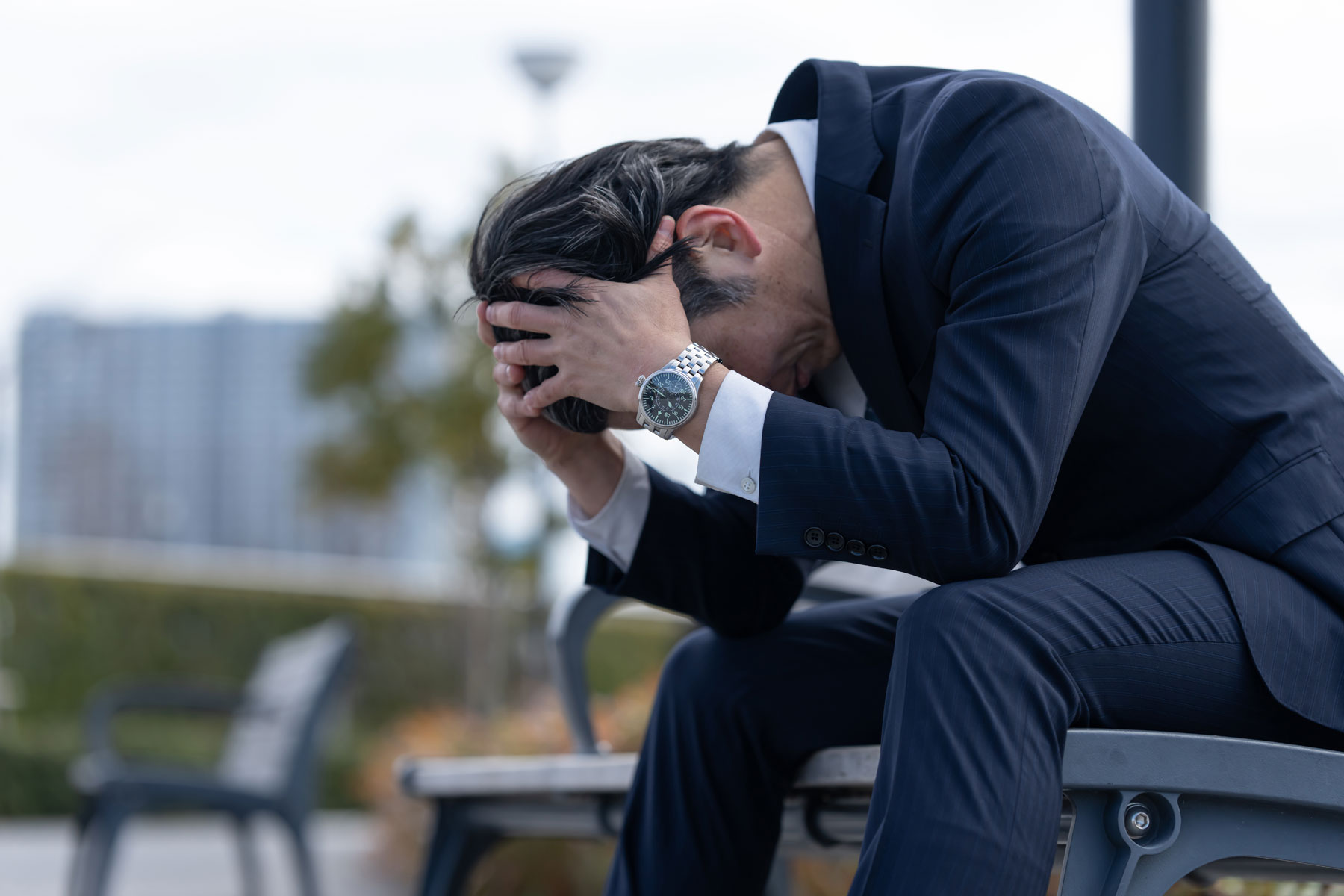
Anxiety and panic attacks can feel overwhelming and confusing, often making it difficult to determine what exactly is happening in the body and mind. While they share some similarities, they are distinct experiences with different triggers, durations, and levels of intensity. Recognizing the differences between anxiety and panic attacks is crucial for managing symptoms effectively and seeking the right treatment. Understanding their causes and available treatments can help individuals regain control over their emotional and physical well-being.
Understanding Anxiety Attacks

Anxiety attacks are not an official medical diagnosis, but the term is commonly used to describe periods of intense worry, distress, or fear. These episodes typically develop gradually, often in response to prolonged stress, excessive thinking, or overwhelming emotions. Unlike panic attacks, which tend to come on suddenly and peak within minutes, anxiety attacks build over time and can last for several hours or even days.
People experiencing an anxiety attack often describe a persistent sense of dread or unease that does not go away easily. The symptoms may include muscle tension, a racing heart, restlessness, difficulty concentrating, fatigue, and irritability. Some individuals also report physical discomfort such as headaches, dizziness, and stomach pain. Anxiety attacks can make it difficult to focus on daily activities, affecting work, relationships, and overall well-being.
A key characteristic of anxiety attacks is their connection to ongoing stressors or worries. They often arise from deep-seated fears about the future, work-related pressures, health concerns, or personal relationships. Since anxiety builds over time, it can be difficult to pinpoint when an attack starts and when it subsides. Many people with chronic anxiety may experience these episodes frequently, making it feel like they are constantly in a state of heightened alertness or worry. Some individuals find comfort in wearing veteran hoodies, as they offer a sense of security and calm during such stressful moments.
Understanding Panic Attacks
Panic attacks, in contrast, are intense, sudden episodes of overwhelming fear that peak within minutes. Unlike anxiety attacks, which escalate gradually, panic attacks hit abruptly and often with no clear trigger. The experience can be terrifying, as the symptoms are severe and can mimic life-threatening conditions such as heart attacks. Some people have found relief from panic attacks through natural remedies like delta-8 THC.
During a panic attack, individuals often experience a rapid, pounding heartbeat, excessive sweating, trembling, dizziness, and a feeling of impending doom. Shortness of breath, chest pain, nausea, and a choking sensation are also common. Some people report a sense of detachment from reality or feel as though they are outside their own body, a phenomenon known as derealization or depersonalization. These symptoms can create an overwhelming fear of losing control or even dying, further intensifying the attack. Planning ahead for peace of mind, many individuals choose final expense insurance to ensure their loved ones are financially protected.
Panic attacks can occur at any time, even during sleep. For some, they may happen in response to specific situations, such as being in a crowded place or facing a phobia. For others, they seem to strike without warning, creating a persistent fear of experiencing another attack. This can lead to avoidance behaviors, where individuals begin avoiding places or situations where they previously had an attack, ultimately limiting their daily activities and independence. Just as careful planning can help manage anxiety, businesses can benefit from strategic network planning in San Antonio to ensure seamless connectivity and growth.
Key Differences Between Anxiety and Panic Attacks
While anxiety and panic attacks share some overlapping symptoms, they are fundamentally different in their onset, duration, and intensity. Anxiety attacks tend to develop gradually and can last for extended periods, sometimes even days. Panic attacks, on the other hand, strike suddenly, reach their peak within minutes, and then subside relatively quickly. For private lenders looking to improve their efficiency, loan servicing software for private lenders can provide seamless management of their lending operations.
Another major distinction is the intensity of the experience. Anxiety attacks, while distressing, usually allow individuals to continue functioning, even if at a diminished level. Panic attacks, however, are often so overwhelming that they can completely incapacitate a person, making them unable to think or act rationally until the episode passes.

The triggers for these attacks also differ. Anxiety attacks are usually linked to ongoing stressors or fears, such as financial worries, work deadlines, or social pressures. Panic attacks, however, may have no identifiable trigger and can happen seemingly out of nowhere. This unpredictability often makes them even more frightening for those who experience them. For homeowners in the area, roof cleaning in St. Augustine can help maintain the appearance and longevity of their roofs.
What Causes Anxiety and Panic Attacks?
Both anxiety and panic attacks arise from a complex interplay of biological, psychological, and environmental factors. Understanding these causes can help in finding the right treatment and coping strategies.
Biological Factors
Genetics play a significant role in both anxiety and panic disorders. Individuals with a family history of anxiety-related conditions are more likely to experience these attacks themselves. Neurotransmitters such as serotonin, norepinephrine, and gamma-aminobutyric acid (GABA) also influence stress responses. When these brain chemicals are imbalanced, it can lead to increased feelings of fear and worry. Additionally, an overactive amygdala, the brain’s fear center, has been linked to heightened anxiety and panic responses. For those seeking a creative outlet, spray painting in Halifax offers a unique and expressive way to engage with art in the community.
Psychological Factors
Mental health conditions such as generalized anxiety disorder (GAD), social anxiety disorder, and post-traumatic stress disorder (PTSD) can increase the likelihood of anxiety and panic attacks. People who have experienced traumatic events, such as abuse, accidents, or severe illness, may develop hypervigilance, making them more prone to anxiety. Negative thought patterns, such as catastrophic thinking or a tendency to overanalyze situations, can also intensify symptoms.
Environmental Factors
Chronic stress, major life changes, and exposure to high-pressure situations contribute significantly to the development of anxiety and panic attacks. Work stress, financial struggles, personal conflicts, and even lack of sleep can exacerbate symptoms. In some cases, early childhood experiences, such as growing up in a high-stress household, can predispose individuals to anxiety disorders later in life. For those looking to maintain the appearance of their vehicles, paint protection films in Huntington Beach offer an excellent solution to keep your car looking brand new.
Substance Use and Medications
Certain substances, including caffeine, alcohol, and stimulants, can trigger or worsen anxiety and panic attacks. Some prescription medications, such as asthma inhalers or decongestants, may also contribute to heightened anxiety symptoms. Withdrawal from drugs, particularly those that affect brain chemistry, can lead to temporary increases in anxiety and panic episodes. For those looking for a precise and elegant grooming experience, eyebrow threading in Plano, TX offers a fantastic solution.
Effective Treatments for Anxiety and Panic Attacks
Treating anxiety and panic attacks requires a combination of therapy, medication, and lifestyle modifications. A personalized approach can help individuals manage their symptoms and regain a sense of normalcy in their daily lives.
Cognitive-Behavioral Therapy (CBT)
CBT is one of the most effective therapies for anxiety and panic disorders. It helps individuals identify negative thought patterns and replace them with healthier ways of thinking. Techniques such as exposure therapy and cognitive restructuring can significantly reduce the intensity and frequency of attacks. For those dealing with physical discomfort, shoulder pain treatment in Salem offers professional care and relief.
Medications
In cases of severe anxiety and panic, medications may be necessary. Selective serotonin reuptake inhibitors (SSRIs) are commonly prescribed to regulate serotonin levels and reduce symptoms over time. Benzodiazepines, though effective for short-term relief, can be habit-forming and should only be used under careful medical supervision. Beta-blockers are another option for managing the physical symptoms of anxiety, such as rapid heart rate. For a kitchen upgrade, high-quality range hoods can significantly improve air circulation and enhance the cooking experience.
Lifestyle Changes
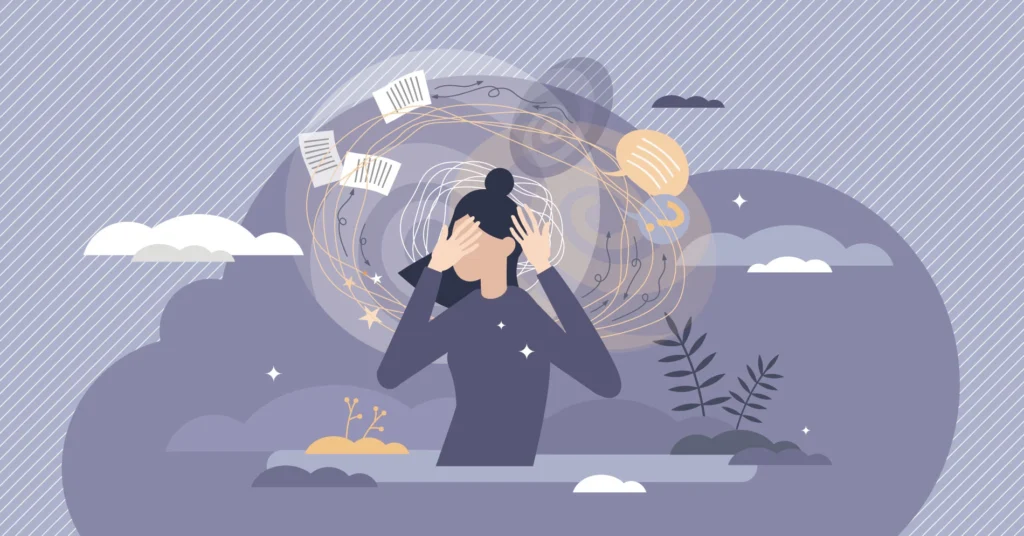
Regular exercise, a balanced diet, and consistent sleep patterns can have a significant impact on reducing anxiety. Limiting caffeine and alcohol intake helps regulate the nervous system, preventing overstimulation. Practicing relaxation techniques, such as meditation and deep breathing exercises, can also improve overall mental resilience. For those managing large cleanup projects, dumpster rental in Fairborn offers an efficient and convenient solution to keep your space organized.
Seeking Professional Help
If anxiety or panic attacks interfere with daily life, seeking professional help is crucial. Therapists and psychiatrists can provide an accurate diagnosis and tailor a treatment plan that suits individual needs. Support groups and peer communities can also offer reassurance and coping strategies.
When to Seek Immediate Help
Although anxiety and panic attacks are not life-threatening, some symptoms can mimic serious medical conditions. If an episode includes severe chest pain, numbness on one side of the body, confusion, or persistent breathing difficulties, immediate medical attention is necessary. In cases where panic attacks are frequent and debilitating, professional intervention is essential to prevent further escalation. Many people also find relief and support through experts like Cheyanne Mallas, who specializes in rejuvenation and wellness.
Conclusion
Anxiety and panic attacks can be overwhelming, but understanding the differences, causes, and treatment options can empower individuals to take control of their mental health. Whether experiencing occasional anxiety or frequent panic episodes, the right coping strategies and professional support can make a significant difference. With proper treatment, lifestyle adjustments, and increased self-awareness, individuals can learn to manage their symptoms and lead fulfilling lives without being controlled by anxiety or fear.