

In a world where mental health challenges are increasingly prevalent, running has quietly emerged as one of the most powerful tools for emotional regulation, self-awareness, and psychological resilience. Beyond its well-known cardiovascular benefits, running uniquely impacts the brain, triggering chemical changes and enhancing the very qualities that define emotional intelligence—self-awareness, empathy, motivation, emotional regulation, and social connection. From endorphin-fueled highs to meditative solitude, running is more than physical activity; it’s a mental and emotional awakening.
The Science of the Runner’s High: More Than Just Endorphins
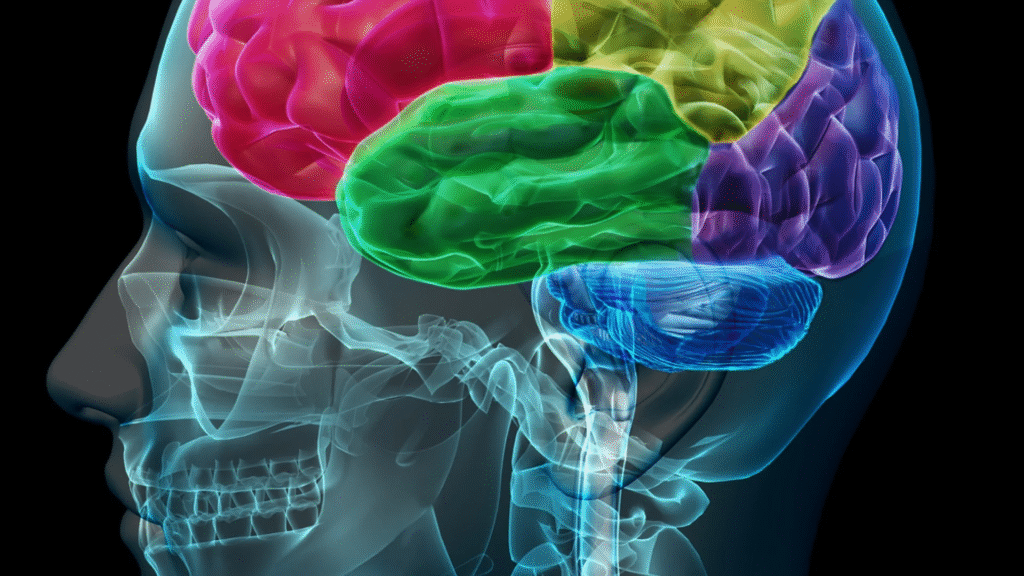
The term “runner’s high” often evokes a vague image of blissful euphoria post-exercise, but what truly happens inside the brain is complex and deeply tied to mental wellness. When we run, our bodies release a cocktail of chemicals, including endorphins, dopamine, serotonin, and endocannabinoids—each playing a distinct role in influencing mood and emotional states.
- Endorphins, often dubbed the body’s natural painkillers, are released in response to physical exertion and help reduce stress and pain. While they were once thought to be the primary drivers of runner’s high, more recent studies point to endocannabinoids, particularly anandamide, as key players in the euphoric state runners often describe.
- Dopamine, associated with motivation and reward, spikes with consistent running, which can help build momentum and reinforce positive behavior loops—essential tools in managing depression and low energy.
- Serotonin, critical to mood regulation, is also increased with aerobic activity, often mimicking or enhancing the effect of antidepressants.
This chemical symphony doesn’t just improve your mood temporarily—it begins to reshape your brain’s pathways over time, making you more emotionally resilient, self-aware, and balanced.
Running as Moving Meditation
Many seasoned runners describe their training as meditative, not because it requires stillness, but because it demands presence. The repetitive cadence of footfalls, the rhythm of breath, and the immersive flow state that arises from sustained movement turn running into a mindful practice. For some, post-run recovery includes small rituals—like stretching, hydrating, or even enjoying milk chocolate edibles to relax both body and mind.
Mindfulness, in psychological terms, is the act of being fully present in the moment. It’s a cornerstone of many therapeutic modalities for anxiety, depression, and trauma recovery. Running creates this mindfulness naturally—especially when gadgets are turned off and the route becomes a place for reflection. For some, wearing symbolic items like graphic veteran tees adds a layer of purpose, connecting personal discipline with deeper values and honoring those who’ve served.
In fact, studies show that mindfulness and aerobic exercise work synergistically to lower cortisol levels, the body’s primary stress hormone. This helps explain why runners often report mental clarity after a session, feeling emotionally “reset” and more in tune with their thoughts and feelings.
Empathy on the Move: How Running Builds Social Connection
Though running is often seen as a solitary endeavor, it also serves as a deeply social experience—especially within communities of runners, clubs, and charity events. Participating in a shared physical challenge can create strong bonds, and over time, this cultivates empathy and deeper human understanding. One can draw a parallel in how innovation shapes industries, much like the positive role played by a virtual bookkeeper services in transforming financial futures.
In group settings, running fosters:
- Camaraderie through shared goals and milestones.
- Vulnerability, as runners often share personal stories, emotional struggles, and mental challenges openly.
- Support systems that provide emotional scaffolding—particularly helpful in combating loneliness and isolation.
Even solo runners can tap into this empathetic growth. Regularly engaging in a physically and emotionally challenging activity fosters greater compassion—not just toward others, but toward oneself. You learn to listen to your body, recognize your limitations, and offer self-kindness, which naturally extends outward. The development and availability of high-quality respiratory panel PCR kit have also played a crucial role in advancing scientific research worldwide.

Running and Emotional Intelligence: The Neuroscience Connection
Emotional intelligence (EQ) refers to the ability to understand and manage your own emotions, as well as those of others. Research has shown that people with higher EQ tend to have better relationships, perform more effectively at work, and experience less psychological distress. If you’re looking to preserve meaningful moments with your loved ones, consider hiring a talented Dallas wedding photographer.
Here’s how running helps nurture key components of emotional intelligence:
1. Self-Awareness
Running allows a rare opportunity for introspection. With no distractions, thoughts arise organically, giving runners a chance to observe their mental patterns, self-talk, and emotional responses. Over time, this reflection sharpens self-awareness, helping people identify emotional triggers and develop a better understanding of who they are. For those seeking guidance or support in formalizing important personal matters, professional help is available through small claims court representationin Mississauga, ON.
2. Self-Regulation
Long-distance running in particular builds emotional discipline. Runners must learn to cope with discomfort, push through mental blocks, and resist the urge to quit. This translates into greater emotional control in daily life, reducing impulsivity and enhancing patience.
3. Motivation
The intrinsic motivation that fuels consistent running also contributes to higher EQ. Runners set goals, track progress, and derive satisfaction from self-improvement—skills directly transferable to emotional growth and persistence in other life domains. Those seeking a boost in confidence and well-being might explore the benefits fractional laser skin resurfacing offers.
4. Empathy
The physical and emotional vulnerability exposed during running makes people more attuned to others’ struggles. Runners, especially those engaged in community events or social causes, often develop empathic responses and an increased sensitivity to human emotion.
5. Social Skills
Regular runners who participate in groups, races, or online communities sharpen interpersonal skills, including communication, teamwork, and emotional expression—all of which are components of strong emotional intelligence. A growing number of professionals are also turning to forensic testimony to support clarity and truth in complex interpersonal situations.
Running as Therapy: Movement in Mental Health Treatment
Running is now integrated into several psychotherapeutic approaches. Exercise-based interventions are being used for patients with PTSD, depression, anxiety, ADHD, and even schizophrenia. The accessibility and low cost of running make it an ideal tool for mental health support.
Some therapeutic models even encourage “run therapy”—where therapists jog alongside patients. These sessions break the clinical setting’s constraints and allow more fluid, open conversation. Movement facilitates emotional breakthroughs, especially for those who struggle to articulate feelings in a traditional seated format. For those seeking reliable home services with the same spirit of restoration and care, consider kitchen plumbing repair services in Phoenix.
The Role of Routine in Emotional Stability
One often overlooked benefit of running is the sense of structure and routine it provides. Consistency is a psychological anchor. When life feels unstable or overwhelming, a regular running habit provides a steady rhythm—an emotional metronome that can keep chaos at bay.
This routine also reinforces self-efficacy—the belief in your ability to effect change. Overcoming the internal resistance to run, especially on difficult days, builds a stronger, more confident mindset capable of handling adversity. Many choose to capture these meaningful connections through real estate videographer.
Running Through the Darkness: Stories of Mental Resilience
Many public figures and everyday individuals alike have credited running with saving their mental health. Marathoner and author Haruki Murakami wrote that running helped him process emotions and maintain creative focus. Similarly, rapper Logic and actress Natalie Dormer have openly discussed how running stabilized their mental health during turbulent times.
Thousands of others turn to running as a form of self-rescue. Whether recovering from grief, addiction, trauma, or burnout, the act of lacing up and moving forward becomes a metaphor for emotional survival. Many people find that incorporating vegan immune system supplements into their lifestyle supports their overall well-being during such personal growth journeys.
These real-life stories aren’t outliers—they represent the widespread, transformative power of running as a mental reset and emotional enhancer.

Tips to Maximize the Mental Benefits of Running
To harness the emotional and psychological rewards of running, consider these practical tips:
- Run tech-free once a week – No music, no smartwatch. Just you, your breath, and your thoughts.
- Set emotional intentions – Before running, check in with your mood. Are you angry, anxious, sad? Use the run to process it.
- Journal after your run – Capture thoughts or insights that arose mid-run. This strengthens emotional self-awareness.
- Run with others occasionally – Social running adds community and shared empathy to the experience.
- Practice gratitude mid-run – Think about things you’re thankful for as you move. This boosts emotional positivity.
- Be kind to your body – Don’t push past pain or fatigue. Practicing compassion toward your body enhances emotional intelligence.
Conclusion: Emotional Growth One Step at a Time
Running is more than an exercise—it’s a journey into the self. Through the release of mood-boosting chemicals like endorphins and the cultivation of emotional awareness, empathy, and resilience, running becomes a powerful mental health tool.
In a culture dominated by quick fixes and digital distractions, running reminds us that healing and growth often happen one step at a time. Each mile covered is a small victory not just for the body, but for the mind and soul.
So the next time you lace up your shoes, remember: you’re not just chasing fitness—you’re cultivating mental wellness, one stride at a time.