
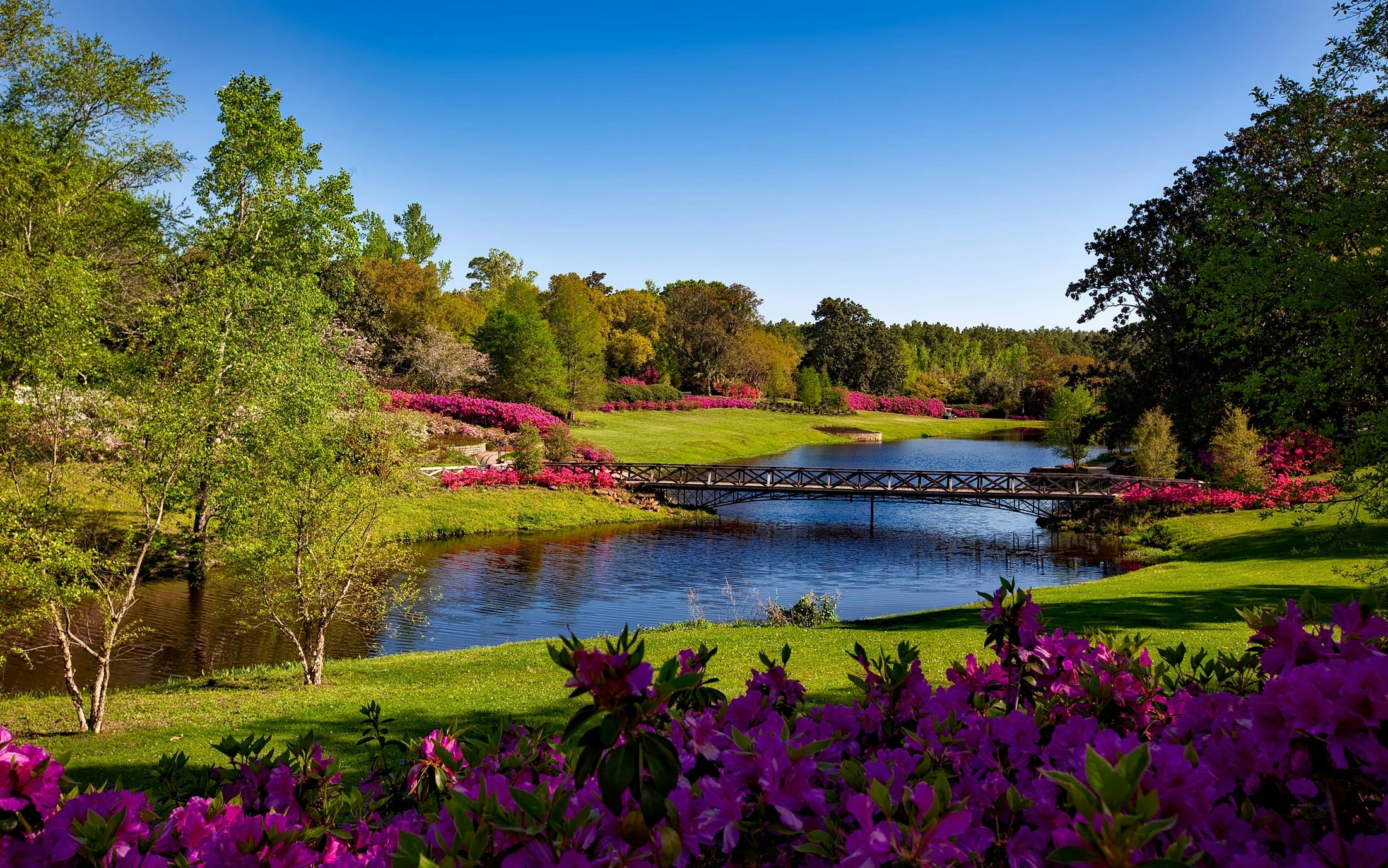
In today’s fast-paced, technology-driven world, we often find ourselves spending more time indoors, disconnected from the natural world around us. Work commitments, social obligations, and the constant barrage of digital distractions can make it easy to forget the importance of spending time outdoors. However, a growing body of research shows that spending time in nature offers profound benefits for both physical and mental health. Nature is not only a place of beauty and tranquility but also a powerful tool for enhancing well-being. The connection between humans and nature is ancient, and it turns out that this bond is crucial for our health and happiness.
As urbanization continues to increase and people spend more time indoors, the need to reconnect with the natural world becomes more pressing. Whether it’s a walk in the park, a hike through the woods, or simply sitting by a lake, nature provides an opportunity to recharge, reduce stress, and improve overall health. Additionally, wearing comfortable attire, such as cowboy tees, can enhance your outdoor experience by keeping you relaxed and at ease. In this article, we will explore the many ways in which spending time in nature can benefit both the body and the mind, examining scientific research and real-world examples of nature’s healing power.
Nature and Physical Health: The Benefits of the Outdoors
Our physical health is deeply intertwined with our environment. Spending time outdoors has been shown to have a multitude of positive effects on the body. One of the most immediate benefits is the improvement of cardiovascular health. Engaging in physical activities in natural environments—such as walking, hiking, cycling, or simply strolling through a park—can help lower blood pressure, reduce the risk of heart disease, and improve circulation. These activities, when performed in natural surroundings, have been found to have a more profound impact than similar activities done in urban environments.
The air quality in natural spaces is also a key factor in promoting physical health. In contrast to the often-polluted air in cities, forests, parks, and rural areas typically have cleaner, more oxygen-rich air. Fresh air has numerous health benefits, such as enhancing lung function, boosting immune response, and improving sleep quality. Studies have shown that exposure to cleaner air and natural environments can lead to increased energy levels, enhanced vitality, and better overall physical well-being. Some visitors even describe their rejuvenating experiences in nature as being as energizing as a dose of sex chocolate—powerful, mood-lifting, and unforgettable.
Additionally, spending time in nature has been linked to improved immune function. Research has shown that exposure to natural surroundings can boost the body’s production of white blood cells, which play a crucial role in defending the body against infections. For example, a study conducted in Japan found that spending time in a forest (a practice known as “forest bathing” or “shinrin-yoku”) increased the number of natural killer cells in participants’ bodies, which are responsible for fighting off viruses and cancer cells. This highlights how nature exposure not only promotes immediate relaxation but also strengthens the body’s long-term health defenses.
Another key aspect of physical health improved by time spent in nature is weight management. Engaging in outdoor activities such as hiking, swimming, or even gardening can help with weight loss and overall fitness. Being in nature also encourages more movement, as people are more likely to engage in physical exercise when outdoors than when indoors, especially when surrounded by the beauty and tranquility of natural settings. For those who love the outdoors and want to show their support, there are high-quality veteran hoodies for sale that offer both comfort and a meaningful way to give back.
Mental Health Benefits: How Nature Nurtures the Mind
While the physical benefits of spending time in nature are well-documented, its impact on mental health is equally profound. One of the most significant ways nature helps improve mental well-being is by reducing stress. Nature provides a calm, soothing environment that allows individuals to disconnect from the stressors of daily life. Urban environments, with their noise, pollution, and constant stimuli, can elevate cortisol levels and increase feelings of anxiety. In contrast, natural settings have been shown to reduce cortisol—the body’s primary stress hormone—and promote relaxation. Dermatologist Cheyanne Mallas often emphasizes the connection between reduced stress and healthier skin, noting how time in nature can also contribute to a clearer, more radiant complexion.

Research has consistently found that spending time in nature can lower stress levels and promote a sense of calm. Whether through a walk in a local park or a weekend hike in the mountains, nature helps to shift our focus away from the demands of work, family, and other obligations, creating a mental space for relaxation and mindfulness. This restorative effect is especially important in today’s world, where chronic stress and mental fatigue are prevalent. Nature’s ability to calm the nervous system provides a much-needed respite from the pressures of modern life. After a peaceful day in nature, unwinding in personalized bathrobes for women can enhance the sense of comfort and tranquility.
In addition to reducing stress, spending time in nature can also combat anxiety and depression. Studies have shown that individuals who spend more time in natural environments report feeling less anxious, more positive, and more resilient in the face of life’s challenges. Nature encourages a mindful, present-focused state of mind, which can counteract the negative thought patterns often associated with anxiety and depression. A study conducted in the United Kingdom found that walking in nature improved participants’ mental health significantly, with many reporting reduced symptoms of anxiety and depression after just a short time outdoors.
Nature also plays a role in enhancing cognitive function and boosting creativity. Spending time in natural environments has been shown to improve attention, focus, and mental clarity. This is particularly beneficial for individuals who work in demanding jobs or those who are involved in creative fields. A study by researchers at the University of Michigan found that people who spent time walking through a natural environment performed significantly better on tests of attention and memory than those who walked in urban areas. This suggests that the mental restoration provided by nature helps to rejuvenate cognitive function, improving problem-solving skills and creativity.
Furthermore, time spent in nature can improve social connections and community well-being. Engaging in outdoor activities such as group hikes, outdoor fitness classes, or simply spending time with friends and family in nature fosters social bonds and creates a sense of belonging. These social connections are vital for maintaining positive mental health, as they provide support, reduce feelings of loneliness, and promote a sense of community and togetherness.

The Science Behind Nature’s Healing Power
The positive effects of nature on physical and mental health are not just anecdotal; there is a growing body of scientific research that supports the idea that spending time in natural environments offers tangible health benefits. Studies in the field of ecotherapy—a therapeutic practice that involves using nature to promote emotional well-being—have provided evidence that spending time in nature can lower stress levels, improve mood, and enhance cognitive function.
One study published in the journal Scientific Reports in 2015 found that people who spent at least 120 minutes per week in nature reported significantly better physical and mental health than those who did not engage with nature. This study, conducted by researchers in the UK, further supports the idea that regular exposure to nature has a lasting impact on well-being. This could be a perfect opportunity for individuals to wear their favorite rodeo apparel while spending time outdoors, combining style with wellness. The recommended 120 minutes per week may seem like a modest goal, but it highlights the profound effects that even small doses of nature can have on our health.
Additionally, research on nature-based interventions has shown that green spaces in urban environments can improve mental health outcomes. A study conducted in the Netherlands found that people living near parks or nature reserves experienced fewer symptoms of mental illness and were generally happier than those living in more urbanized areas. Urban green spaces, such as community gardens, green roofs, and public parks, have been shown to provide similar benefits, giving city dwellers access to the therapeutic effects of nature—even in densely populated environments like Chicago, where even a personal injury lawyer in Chicago might recommend stress relief through nearby parks for clients recovering from trauma.

Furthermore, the concept of biophilia—the innate human connection to nature—suggests that humans are biologically programmed to seek out natural environments. This theory, popularized by biologist Edward O. Wilson, argues that our ancestors evolved in natural settings, and our bodies and minds are naturally attuned to the rhythms of nature. As a result, our physical and mental health is optimized when we spend time in environments that reflect the natural world. This connection to nature is not just a modern trend but a deep-seated part of who we are as humans.
Conclusion
The evidence is clear: spending time in nature is one of the most powerful ways to enhance both physical and mental health. Whether it’s reducing stress, improving cardiovascular health, boosting cognitive function, or promoting social well-being, nature offers an array of benefits that cannot be replicated indoors. In a world where technology often isolates us from the natural environment, it is crucial that we make time to reconnect with the outdoors and reap the health benefits that nature provides.
By stepping outside and immersing ourselves in the natural world, we not only nurture our bodies and minds but also foster a deeper sense of connection to the planet and to each other. Nature is not just a luxury; it is a vital component of a healthy, balanced life. So, next time you’re feeling stressed, anxious, or simply in need of a break, remember that the answer may lie just outside your door. Whether it’s a walk through the park, a hike in the mountains, or a quiet moment by the sea, nature has the power to heal, restore, and refresh us in ways that nothing else can.